
Protecting Your Pet’s Paws in Hot South Carolina Summers

Protecting Your Pet’s Paws in Hot South Carolina Summers
Summer in Greer, South Carolina can bring not only sunshine and outdoor fun, but also blazing temperatures that put your pet’s paws at risk. If you’ve ever stepped barefoot onto a hot sidewalk or driveway, you know how quickly pavement can become uncomfortable — and even dangerous. For dogs and cats, delicate paw pads are especially vulnerable to burns and injuries when temperatures soar. As a pet owner, it’s natural to worry about your pet’s comfort and safety during walks, playtime, or even quick trips outside. At FurWell, our veterinary team understands how South Carolina’s heat can impact your pet’s health, which is why we’re dedicated to helping you keep your dog or cat’s paws healthy throughout the summer months. In this blog, we’ll explore the warning signs of paw pad burns, explain why they happen, cover treatment options, and share practical tips that will help you create safe outdoor routines for your pet. If you’re looking for trusted advice from a compassionate veterinary team right here in Greer, you’re in the right place.
Recognizing Paw Pad Burns and Heat Injury in Pets
It’s easy to overlook paw health until a problem arises, but being able to spot early signs of paw pad burns is crucial for preventing long-term discomfort. When pets walk on hot surfaces like asphalt, concrete, or sand, their paw pads can quickly become damaged. Symptoms of paw pad burns include limping or favoring one paw, licking or chewing at the feet, visible redness or discoloration, and blisters or peeling skin. Some pets may suddenly refuse to walk further during an outing, which can be an early warning that the ground is too hot for their paws. In more severe cases, you might notice bleeding, swelling, or raw areas on the paw pads. Cats, though less likely to walk on hot pavement, can also suffer burns if they cross driveways or patios during the heat of the day. If your pet is showing any of these signs after time outdoors, it’s time to take a closer look at their paws and consider whether recent outings may have exposed them to excessive heat.
Why Do Paw Pad Burns Happen? Understanding the Risks in South Carolina
Paw pad burns are most common when outdoor temperatures rise above 85 degrees Fahrenheit, but the risk increases dramatically as pavement and sand absorb and retain heat. In Greer and surrounding Upstate communities, it’s not unusual for sidewalks to reach temperatures well over 130 degrees on a sunny July afternoon. Because paw pads do not have the same protective layers as the soles of shoes or human skin, they can suffer burns after just a few minutes of contact with hot surfaces. Dark-colored surfaces like asphalt and blacktop heat up fastest, while concrete and brick can also become dangerously hot. Factors like humidity, the time of day, and the absence of shade all contribute to the risk. Young puppies, senior pets, and animals with existing paw pad injuries are particularly susceptible to burns. Even brief exposure — such as a quick trip across the driveway or a short walk at midday — can lead to pain and injury, especially during peak summer months in South Carolina.
How Are Paw Pad Burns Treated? What to Expect from Your Veterinarian
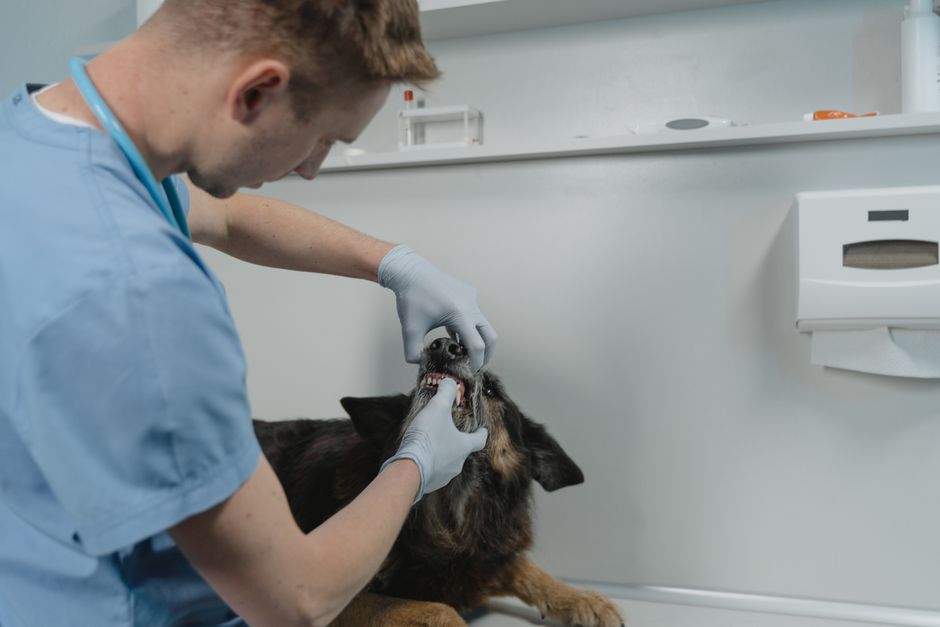
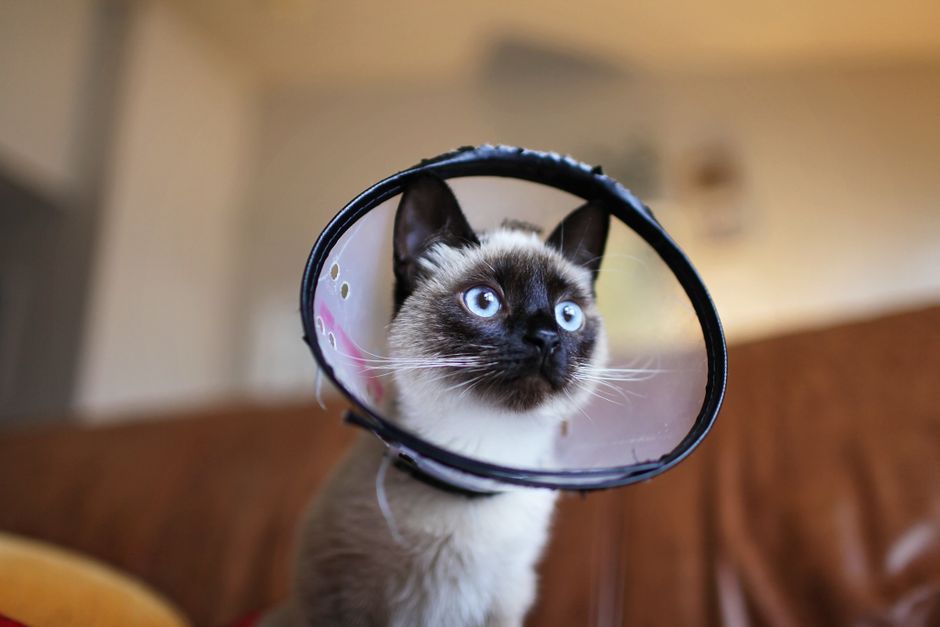
Treating paw pad burns requires prompt veterinary attention, especially if the injury is more than superficial. If you notice any signs of severe burns — such as blisters, raw or bleeding areas, or lameness that doesn’t resolve with rest — it’s important to schedule an appointment with your veterinarian as soon as possible. The FurWell veterinary team will begin by examining your pet’s paws to assess the extent of the damage. Treatment approaches may involve gentle cleaning of the affected area to prevent infection, application of topical ointments or bandages to promote healing, and pain management to keep your pet comfortable. In some cases, antibiotics are prescribed if there are signs of infection or deep tissue injury. Your veterinarian will also check for debris or foreign material lodged in the pads, as this can complicate recovery. During healing, it’s crucial to keep your pet from licking or chewing at the bandages, which might require the use of an Elizabethan collar. If your pet’s injury is mild, your veterinarian may recommend home care along with a follow-up visit to monitor progress. Every treatment plan is tailored to the individual needs of your dog or cat, so ongoing communication with your veterinary team is key.
If you are unsure about the severity of your pet’s paw injury, or if it’s been a while since their last wellness check, consider scheduling a comprehensive physical exam for your pet in Greer, SC. This is a great opportunity to discuss paw health along with other important aspects of your pet’s well-being.
Preventing Paw Pad Burns: Safe Outdoor Routines for Summer
Prevention is always better than treatment, especially when it comes to protecting your pet’s paws from summer heat. The simplest way to avoid burns is to limit walks and outdoor playtime to cooler periods of the day, such as early morning or late evening when the sun is low and pavement temperatures are safest. Before heading outside, place the back of your hand on the pavement or sidewalk for at least seven seconds — if it’s too hot for your skin, it’s too hot for your pet’s paws. Grass, shaded areas, and dirt paths are much safer than bare concrete or asphalt. When outdoor activity is necessary during midday, consider carrying your pet across hot surfaces or using protective products like dog booties designed for summer use. Keep in mind that sand at parks and beaches can become just as hot as pavement, so always check before letting your pet explore barefoot. Regularly moisturizing your pet’s paw pads with a veterinarian-approved balm can help keep them supple and less prone to cracking, but this will not prevent burns from hot surfaces.
For dogs and cats that spend time on patios or driveways, providing shaded rest areas and access to cool water is essential. Watch for signs of discomfort or reluctance to walk, and encourage your pet to stay off hot surfaces whenever possible. By adjusting your routine and being proactive, you can help your dog or cat stay active and healthy all summer long.
When Should You Seek Veterinary Care for Paw Injuries?
While some minor paw pad irritation can be managed at home with rest and gentle cleaning, there are clear situations where professional veterinary care is needed. If your pet’s paw pads are blistered, bleeding, or raw, or if they are limping, refusing to walk, or in visible pain, it’s time to call your veterinarian. Other warning signs that require prompt attention include persistent swelling, signs of infection such as pus or a foul odor, and any changes in your pet’s behavior such as lethargy or loss of appetite. Burns that cover a large area or involve multiple paws should always be evaluated by a veterinary professional. Remember, delaying treatment can lead to complications such as deep tissue infections or chronic pain.
The team at FurWell encourages you to reach out whenever you have concerns about your pet’s paws or overall health. Our veterinarians are here to answer your questions and provide the compassionate care your pet deserves.
Keeping Pets Safe in Greer’s Summer Heat: Your Partner in Paw Health
South Carolina summers bring plenty of opportunities for outdoor fun, but also unique challenges for pet owners who want to protect their dogs and cats from heat-related paw injuries. By understanding the risks, watching for early signs of burns, and taking preventive steps, you can help your pet enjoy the season in comfort and safety. If you notice any symptoms of paw pad burns or if you simply want to ensure your pet is ready for summer adventures, the FurWell veterinary team in Greer is here to help. Schedule an appointment for a comprehensive physical exam for your pet in Greer, SC, or call us at (864) 292-6433 for guidance. Our goal is to support you and your pet with expert advice, thorough care, and a commitment to lifelong wellness.
If you’re searching for a vet near me who truly understands the needs of pets in Greer and surrounding communities, choose FurWell as your trusted veterinary partner. Visit us at 1901 Brushy Creek Rd, Greer, SC 29650 for compassionate care and practical advice — we look forward to helping your pet thrive through every season.
This blog is intended for educational purposes only and does not replace professional veterinary care. If you have concerns about your pet’s health, always consult your veterinarian.