

How to Protect Your Dog or Cat from Summer Parasites

How to Protect Your Dog or Cat from Summer Parasites
Summer in Greer, South Carolina brings plenty of outdoor adventures for dogs and cats, but it also means an increase in pesky parasites like fleas, ticks, and mosquitoes. These unwanted guests can quickly turn a relaxing season into a stressful one for both you and your pet if they are not prevented or treated promptly. At FurWell, our veterinary team understands how important it is to keep pets comfortable and protected during the muggy July heat, when parasite activity peaks. Whether you are concerned about itchy skin, the threat of heartworm disease, or simply want to make your backyard safer for your four-legged family members, this guide will help you recognize the risks, spot warning signs, and understand the best steps for parasite prevention. We will also explain how our comprehensive approach—including preventive care, expert advice, and tailored parasite protection plans—helps keep dogs and cats healthy all summer long. If you are searching for reliable guidance from a trusted veterinary team in Greer or the surrounding communities, you will find practical answers here, along with details on how to schedule a summer wellness check for your pet at FurWell’s convenient location.
Recognizing Summer Parasite Problems in Dogs and Cats
As soon as the temperatures rise and humidity settles in, fleas, ticks, and mosquitoes become more than just a nuisance—they can cause significant health issues for your dog or cat. Common symptoms of parasite exposure include scratching, biting at the skin, hair loss, and visible discomfort. In some pets, you may notice redness around the tail base, tiny black specks that look like dirt (actually flea droppings), or even live fleas moving through the fur. Ticks may appear as small bumps attached to the skin, often hiding in less noticeable spots like under the collar, between the toes, or inside the ears.
Heartworm disease, transmitted by mosquitoes, can develop silently for months before symptoms appear. Early indications in dogs might include coughing, reduced stamina during exercise, or unexplained weight loss. Cats may show vague signs such as vomiting, difficulty breathing, or sudden collapse. Because these symptoms can be subtle at first, it is essential to act quickly if you notice any changes in your pet’s behavior, appetite, or comfort level during the summer months.
Why Are Summer Parasites a Bigger Threat in South Carolina?
South Carolina’s climate creates the perfect environment for fleas, ticks, and mosquitoes to thrive from late spring through early fall. The high humidity and regular rainfall in Greer and surrounding communities mean standing water is abundant, giving mosquitoes plenty of places to breed. Warm evenings and shaded yards offer ideal hiding spots for fleas, which can jump onto your dog or cat during a quick walk or while playing in the backyard.
Ticks are especially active in wooded areas and tall grasses, waiting to latch onto pets who explore these environments. The risk of tick-borne illnesses like Lyme disease, ehrlichiosis, and anaplasmosis increases during these warmer months, making regular tick checks and prevention even more important. Additionally, heartworm disease remains a year-round concern in our region, but the threat intensifies as mosquitoes become more prevalent in the summer.
Professional Treatment and Prevention at FurWell
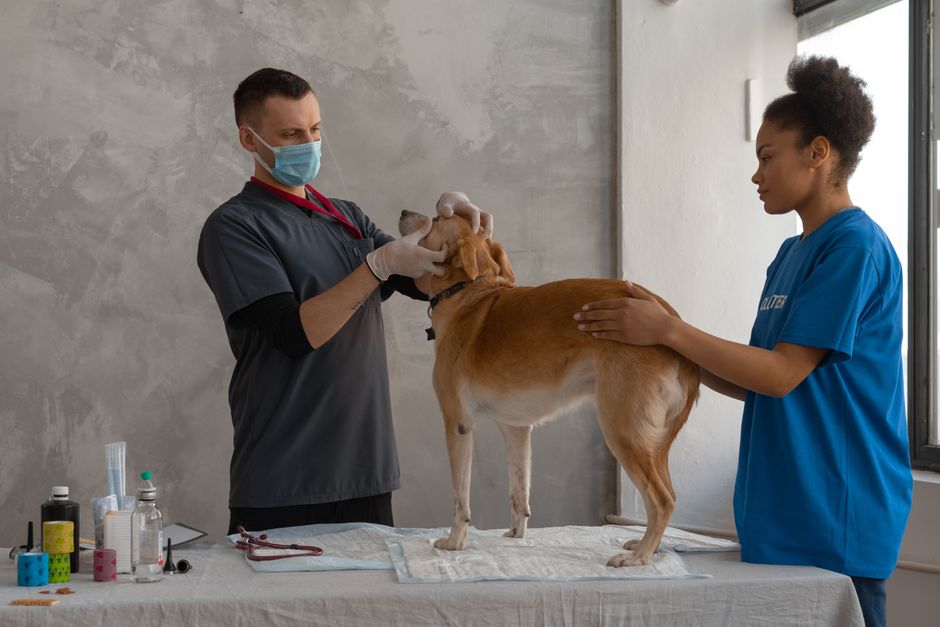
Addressing a parasite problem promptly helps prevent discomfort and serious health risks for your pet. Our veterinary professionals at FurWell begin with a thorough physical examination to identify any signs of fleas, ticks, or other parasites. If there is evidence of infestation, we may recommend gentle topical or oral treatments that are safe for both dogs and cats. For pets with skin irritation or allergic reactions to bites, soothing medications and medicated baths can provide relief while addressing the underlying problem.
Testing for heartworm disease is a vital part of our summer parasite protection strategy. We encourage all pet owners to schedule annual heartworm testing for dogs and cats, especially before starting or continuing preventive medication. If your dog tests positive, treatment involves a specific protocol under close veterinary supervision, as the process can be complex and must be tailored to each pet’s health.
For tick exposure or suspected tick-borne illnesses, our team uses advanced diagnostics to determine if further treatment is needed and will guide you through every step. In many cases, early intervention leads to a quicker and more complete recovery.
How to Prevent Fleas, Ticks, and Heartworms at Home
Consistent prevention is the most effective way to protect your pet from summer parasites. Our veterinarians recommend starting with a comprehensive physical exam and preventive care plan tailored to your pet’s age, lifestyle, and risk factors. Year-round use of veterinarian-approved parasite preventives is crucial, as skipping doses or using over-the-counter products can leave gaps in protection.
Bravecto Quantum, available at FurWell, offers extended coverage against fleas and ticks for both dogs and cats, providing peace of mind through the most active months. You can learn more about this option and discuss what is right for your pet during your next visit or by exploring our Bravecto Quantum flea and tick prevention services.
Keeping your home and yard clean is another important step. Regular vacuuming, washing your pet’s bedding in hot water, and trimming grass or removing yard debris can reduce the number of hiding spots for fleas and ticks. For heartworm prevention, mosquito control around your property—such as removing standing water from flowerpots, buckets, or kiddie pools—adds an extra layer of defense.
Vaccinations and routine wellness care help build your pet’s overall resilience to disease and may be recommended as part of your preventive plan. Our Wellness Tracks program makes it easy to stay on top of your pet’s care, with reminders and guidance tailored to your pet’s unique needs.
When to Seek Veterinary Care for Parasite Concerns
Some parasite problems require immediate veterinary attention, especially if your dog or cat is showing signs of severe itching, open sores, difficulty breathing, coughing, persistent vomiting, or sudden behavioral changes. Visible parasites that do not respond to at-home prevention products, or any evidence of blood in the urine or stool, should prompt a call to your veterinary team right away.
Because heartworm disease and tick-borne illnesses can progress quietly, even pets who appear healthy benefit from regular screenings and check-ups. Scheduling an appointment with our veterinarians at FurWell ensures your pet receives a thorough evaluation and any needed treatment before minor problems escalate.
If you are unsure about what you are seeing or need advice on the best prevention for your household, our veterinary team is always available to answer your questions and guide you toward the safest, most effective solutions.
Why Choose FurWell for Summer Parasite Protection?
Protecting your pet from fleas, ticks, and heartworms is an ongoing partnership between you and your veterinarian. At FurWell, we are dedicated to providing compassionate, individualized care for every pet in Greer and the surrounding communities. Our comprehensive services, knowledgeable team, and commitment to preventive medicine mean you can enjoy summer with your pet, confident that you are taking the right steps to keep them safe.
If you are searching for a veterinarian near me who truly cares about your pet’s comfort and long-term health, FurWell is here for you. We invite you to schedule a summer wellness exam, ask about effective parasite prevention options, or reach out with any concerns about fleas, ticks, or heartworm disease. Our veterinary professionals are ready to support you with expert advice and practical solutions.
Contact us today at (864) 292-6433 to book your appointment or visit us at 1901 Brushy Creek Rd, Greer, SC 29650 for compassionate care that keeps your dog or cat healthy all year long. For more information on our preventive health care programs and parasite protection services, explore our Wellness Tracks or ask about our summer parasite prevention plans the next time you visit.
This blog provides general information and is not a substitute for professional veterinary advice. Always consult your veterinarian if you have concerns about your pet’s health or need personalized recommendations for flea, tick, or heartworm prevention.