
PU Surgery for Cats: What Greer Pet Owners Should Know

PU Surgery for Cats: What Greer Pet Owners Should Know
If your cat is suffering from repeated urinary blockages, you may have heard your veterinarian mention PU surgery. For many pet owners in Greer and the surrounding communities, the idea of surgery can feel overwhelming. At FurWell Veterinary Hospital, our team understands your concerns and is here to guide you through every step of your cat’s care. This blog will help you understand what PU surgery involves, the signs that your cat may need it, what to expect during recovery, and how FurWell Veterinary Hospital at 1901 Brushy Creek Rd, Greer, SC 29650 supports your cat’s health through the process. We’ll also explain when your Greer veterinarian might recommend this procedure and how to decide if it’s right for your cat. If you’re searching for answers about PU surgery cat, you’re in the right place.
Recognizing Urinary Blockage in Cats
Urinary blockages are a serious and sometimes life-threatening condition in cats, especially males. If your cat is straining to urinate, visiting the litter box frequently with little or no urine output, crying out in pain, or licking the genital area excessively, these are strong indicators something is wrong. Additional warning signs include blood in the urine, vomiting, loss of appetite, or lethargy. It’s important to understand that a blocked cat can deteriorate rapidly; kidney damage and dangerous electrolyte imbalances can occur in a matter of hours. If your cat is displaying these symptoms, immediate veterinary attention is critical.
Why Do Cats Develop Urinary Blockages?
Urinary blockages tend to occur most often in male cats due to their narrow urethra, but any cat can be affected. The most common causes include the formation of mucus plugs, urinary crystals, or small stones that obstruct the flow of urine. Other contributing factors can be stress, dehydration, obesity, or underlying urinary tract inflammation. Certain diets, infrequent urination, and genetic predisposition may also play a role. Cats who have experienced one urinary blockage are at a much higher risk of another, which is why effective long-term management is so important.
What Is PU Surgery for Cats?
Perineal urethrostomy, commonly known as PU surgery, is a specialized procedure designed to create a new, wider opening for your cat’s urethra. This helps prevent future blockages by bypassing the narrow portion that is prone to obstruction. When medical management and less invasive treatments are no longer effective, or if your cat has suffered multiple blockages, your veterinarian may recommend PU surgery cat as a long-term solution.
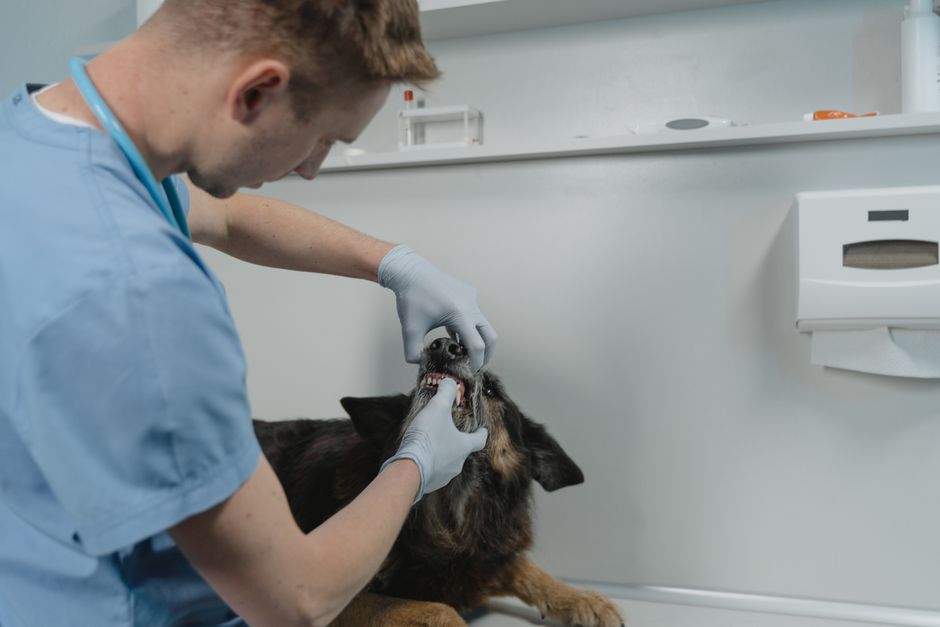
At FurWell Veterinary Hospital, our experienced veterinary team will thoroughly evaluate your cat’s condition, review their history, and discuss all available options. The procedure is performed under general anesthesia, with careful monitoring throughout. After surgery, your cat will need special care to support healing and minimize complications. You can find more detailed information on our Perineal Urethrostomy (PU) Surgery in Cats service page.
What to Expect Before, During, and After PU Surgery
Before surgery, your veterinarian will stabilize your cat and address any immediate medical issues, such as dehydration or infection. Preoperative bloodwork and urinalysis are usually performed to ensure your cat is ready for anesthesia. During the procedure, the narrowed portion of the urethra is removed and a new opening is created, allowing urine to pass more freely. After surgery, your cat will require close monitoring, pain management, and often a special diet to reduce future risks.
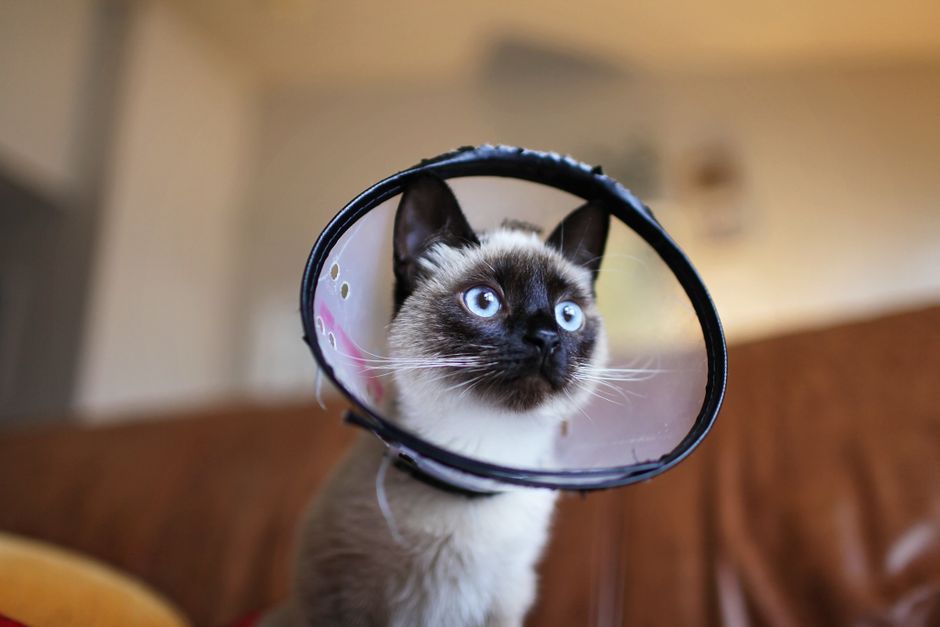
Recovery time varies, but most cats spend several days under veterinary supervision before returning home. At home, you’ll need to keep your cat indoors, use a low-dust litter, and watch for signs of complications such as bleeding, swelling, or difficulty urinating. The majority of cats adapt well to their new anatomy and experience a dramatic improvement in quality of life.
How FurWell Veterinary Hospital Supports Your Cat’s Recovery
Our veterinary team at FurWell Veterinary Hospital is committed to your cat’s comfort and recovery, providing ongoing support before, during, and after PU surgery. We offer advanced pain management, careful surgical technique, and thorough postoperative instructions. During follow-up visits, we monitor healing, address any concerns, and guide you on long-term care strategies. Education is a key part of our process; we help you recognize early signs of urinary issues and provide recommendations for diet, stress reduction, and environmental enrichment to lower your cat’s risk of future problems.
Preventing Urinary Problems in Cats at Home
While some cats are more prone to urinary blockages due to anatomy or genetics, there are steps you can take at home to support urinary health. Encourage your cat to stay well-hydrated by providing plenty of fresh water and, if appropriate, offering wet food. Stress reduction is also important; maintain a stable routine, provide multiple clean litter boxes, and enrich your cat’s environment with toys and vertical spaces. Your veterinarian may recommend prescription diets designed to reduce urinary crystals or stones, especially if your cat has a history of urinary tract disease. Regular check-ups at FurWell Veterinary Hospital allow early detection and management of any developing issues.
When Should You Seek Veterinary Care for Urinary Issues?
Urinary blockages in cats are always an emergency. If you notice your cat straining, vocalizing in the litter box, or producing little or no urine, contact your veterinarian immediately. Even a few hours of obstruction can have life-threatening consequences. After a blockage has been treated, ongoing veterinary care is essential to monitor for recurrence or complications. If your cat has had multiple blockages, discuss with your veterinarian whether PU surgery cat is the right next step for their long-term health.
Your Partner in Cat Health: PU Surgery Cat Support in Greer
At FurWell Veterinary Hospital, we understand how stressful it can be when your cat faces urinary challenges. Our team of veterinarians is dedicated to providing compassionate, comprehensive care for your feline companion. If you are searching for a "vet near me" to discuss PU surgery cat or need help with other urinary concerns, our Greer location is here to support you every step of the way. Learn more about our approach to Perineal Urethrostomy (PU) Surgery in Cats or schedule an appointment with our team by calling (864) 292-6433. Your cat’s comfort and wellbeing are always our top priorities.
Medical Disclaimer: This blog is for informational purposes only and is not a substitute for professional veterinary advice. Always consult your veterinarian for specific guidance regarding your cat’s health. If your cat is experiencing a urinary emergency, seek immediate veterinary care.