
PU Surgery for Cats: Understanding the Procedure and Recovery
PU Surgery for Cats: Understanding the Procedure and Recovery
If your cat has struggled with repeated urinary blockages, you may have heard your veterinarian mention PU surgery as a possible solution. As a pet owner, the idea of surgery for your cat can feel overwhelming, and it's natural to want clear, compassionate answers before making decisions about your pet’s care. At FurWell Veterinary Hospital, located at 1901 Brushy Creek Rd, Greer, SC 29650, our team is committed to helping you understand every step of the process, from recognizing when PU surgery for your cat may be recommended to supporting your cat’s recovery and long-term health. In this blog, you’ll learn what PU surgery is, why it’s performed, what to expect during your cat’s treatment and recovery, and how our veterinary team in Greer supports your cat’s wellness before, during, and after surgery. If you’re searching for trustworthy information on "pu surgery cat," you’re in the right place. For a more detailed explanation of the procedure itself, you can also explore our page on Perineal Urethrostomy in Cats (PU Surgery).
Recognizing When PU Surgery May Be Needed for Your Cat
Urinary issues in cats can be distressing to witness, both for you and your feline companion. Persistent or recurrent urinary blockages, especially in male cats, are among the most urgent reasons why PU surgery may be considered. Key symptoms that may indicate a urinary blockage include frequent trips to the litter box with little or no urine produced, straining or vocalizing in pain while trying to urinate, blood-tinged urine, urinating outside the litter box, and signs of general discomfort such as hiding, licking the genital area excessively, or loss of appetite. In severe cases, a cat may become lethargic, vomit, or collapse, signaling a life-threatening emergency.
Many pet owners initially notice subtle changes, like their cat making more frequent or prolonged visits to the litter box, before more dramatic symptoms appear. It’s crucial to monitor for these signs, as a blocked urethra can quickly become fatal if not treated promptly. If your cat has required repeated catheterizations for urinary obstructions or if their blockages are not responding to medical management, your veterinarian may discuss the option of PU surgery as a way to provide lasting relief and prevent future emergencies.
What Causes Urinary Blockages in Cats?
Understanding why urinary blockages happen can help you recognize the risks and take preventive measures where possible. In male cats, the urethra—the tube that carries urine out of the body—is especially narrow near the base of the penis, making it prone to obstructions. Common causes of blockages include the formation of urinary crystals or stones (such as struvite or calcium oxalate), inflammation from feline lower urinary tract disease (FLUTD), mucus plugs, or rarely, tumors. Stress, dehydration, obesity, and certain dietary factors can also increase a cat’s risk of developing urinary issues.
Some cats experience only a single episode of urinary blockage, while others may suffer repeated obstructions despite appropriate medical treatment. After multiple recurrences, the risk of permanent urethral scarring and further complications grows, making surgical intervention more likely to be recommended by your veterinarian. PU surgery for cats is generally reserved for those who have not responded to medical management or who have anatomic abnormalities that make repeated blockages likely.
What Is PU Surgery for Cats? Explaining the Procedure
Perineal urethrostomy, commonly known as PU surgery, is a specialized procedure designed to remove the narrowest section of the male cat’s urethra and create a new, wider opening for urine to pass through. This surgical approach helps prevent future blockages by essentially bypassing the area most prone to obstruction. The procedure is performed under general anesthesia by a skilled veterinary surgeon.
Your cat will undergo a comprehensive pre-surgical evaluation, including bloodwork and diagnostic imaging, to ensure they are healthy enough for anesthesia and to plan the surgery. On the day of the procedure, your cat is carefully monitored by our veterinary team throughout anesthesia and surgery to keep them safe and comfortable. After the narrow portion of the urethra is removed, the remaining, wider section is sutured to the skin just below the anus, creating a new urinary opening. This change in anatomy significantly reduces the risk of future urinary blockages, offering many cats a new lease on life.
For a thorough look at the surgical process and what to expect, you can review our detailed information on Perineal Urethrostomy in Cats (PU Surgery).
What to Expect During Recovery
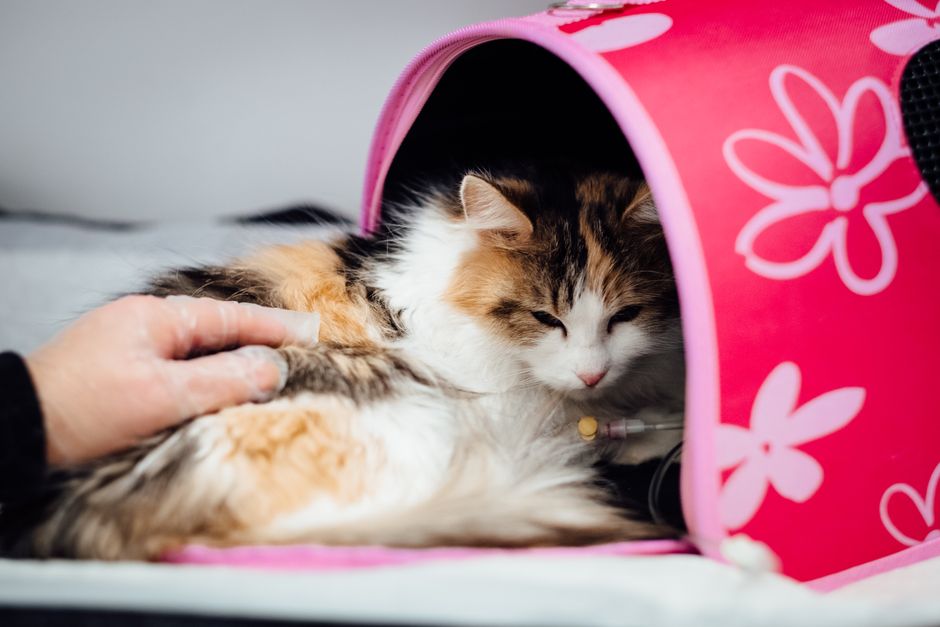
The days and weeks following PU surgery are a critical time for healing and monitoring. Immediately after the procedure, your cat will need to stay at the veterinary hospital for observation, pain management, and to ensure they are urinating well through the new opening. Once home, you will play a vital role in your cat’s recovery by providing a calm environment, administering medications as prescribed, and monitoring for complications.
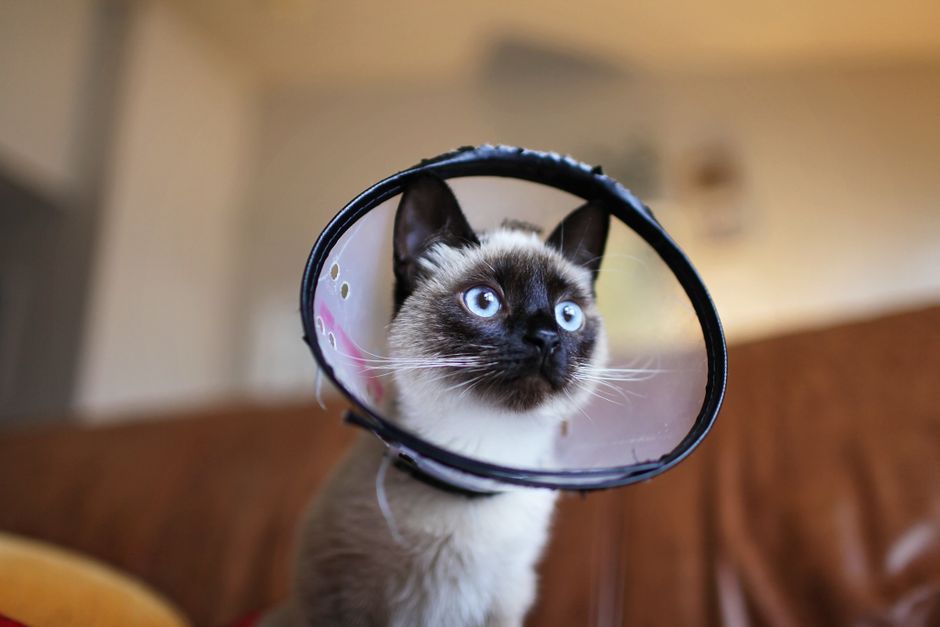
Common aspects of recovery include keeping your cat indoors, using a paper-based litter to avoid irritating the surgical site, and preventing your cat from licking or traumatizing the area with an e-collar. Most cats begin urinating normally within a day or two, but mild blood-tinged urine or increased frequency is not unusual initially. As healing progresses, the frequency of urination should normalize and any discomfort should subside. The majority of cats recover well, but possible complications such as infection, swelling, or stricture (narrowing) of the new urethral opening can occur. Our veterinarians will schedule follow-up appointments to monitor healing and address any concerns throughout your cat’s recovery.
Long-Term Care After PU Surgery
Life after PU surgery can be very rewarding for both you and your cat, as most cats experience a dramatic reduction in urinary blockages and improved quality of life. However, long-term care is essential to maintain your cat’s urinary health. Steps include encouraging your cat to drink plenty of water by offering fresh water in multiple locations and considering water fountains, feeding a veterinarian-recommended diet designed to prevent crystal formation, and maintaining a healthy weight. Regular check-ins with your veterinary team are important to monitor for any changes or complications over time.
It’s also helpful to keep your cat’s litter box clean and accessible to encourage normal urination habits. Some cats may still be at risk for urinary tract infections or inflammation, so prompt attention to any changes in urination patterns remains important. If you ever notice straining, blood in the urine, or signs of discomfort after PU surgery, contact your veterinarian immediately for assessment.
When Should You Seek Veterinary Care for Urinary Issues?
Urinary blockages are true emergencies, and time is of the essence when you notice symptoms. If your cat is unable to urinate, is straining in the litter box, or appears distressed, seek veterinary care immediately. Even after PU surgery, any return of concerning signs warrants prompt attention. Early intervention can prevent complications and safeguard your cat’s health.
For ongoing care, schedule regular wellness visits at FurWell Veterinary Hospital to ensure your cat’s urinary system remains healthy. Whether you live in Greer or the surrounding communities, our team is here to offer guidance, support, and advanced surgical options when needed.
Supporting Your Cat Through Every Step at FurWell Veterinary Hospital
Facing the possibility of PU surgery for your cat can be daunting, but you are not alone. At FurWell Veterinary Hospital, our experienced veterinarians are dedicated to providing clear information, skilled surgical care, and compassionate support from your first consultation through recovery and beyond. We understand how much your cat means to you, and we’re committed to making this journey as smooth and successful as possible.
If you’re searching for answers about "pu surgery cat" or looking for a vet near me who truly understands feline urinary health, FurWell Veterinary Hospital is here to help. You can learn more about our specialized approach to Perineal Urethrostomy in Cats (PU Surgery) or call us at (864) 292-6433 to schedule an appointment. Our veterinary team in Greer is dedicated to supporting your cat’s health at every stage, so you can feel confident in your cat’s care and recovery. Let us be your trusted partner in ensuring your cat enjoys a happy, healthy future.