
Managing Pet Allergies in Hot and Humid South Carolina Summers
Managing Pet Allergies in Hot and Humid South Carolina Summers
Summer in Greer, SC is a time for outdoor adventures, long walks, and backyard play. Yet, if you notice your dog or cat scratching more than usual, licking at their paws, or developing red, irritated skin, you are not alone. The hot and humid conditions that define South Carolina summers can make allergy symptoms worse for many pets, leaving them uncomfortable and you searching for answers. At FurWell Veterinary Hospital, located at 1901 Brushy Creek Rd, Greer, SC 29650, our veterinary team is committed to helping your pets stay healthy and comfortable through every season. In this guide, we will help you recognize the signs of pet allergies, understand why symptoms peak during the summer, explore effective relief options, and show you when it is time to schedule an appointment with a veterinarian. We will also explain how services like allergy testing for pets in Greer, SC can give you and your pet answers, and help your dog or cat enjoy the season with fewer symptoms.
Recognizing Allergy Symptoms in Your Pet
As temperatures rise and humidity settles in, many pets begin to show signs of allergies—sometimes for the first time. Symptoms are not always dramatic; they can start subtly and become more severe if not addressed. Common signs of allergies in dogs and cats include frequent scratching, licking or chewing at the paws or body, redness or inflammation of the skin, recurring ear infections, hair loss in patches, and scabs or open sores. Some pets may develop watery eyes or sneeze more often, while others display changes in behavior such as irritability or restlessness due to constant discomfort.
Dogs in particular may show symptoms like head shaking or a musty odor from the ears, especially if yeast infections develop in the warm, moist environment. Cats can be more subtle, sometimes simply grooming excessively or developing tiny scabs around the head and neck. If you notice your pet shaking their head, rubbing their face, or losing fur, these are additional clues that allergies may be at play. Early signs are often dismissed as normal shedding or minor irritations, so paying close attention to changes in your pet’s skin and coat during the summer is essential.
Why Pet Allergies Are Worse in South Carolina Summers
South Carolina’s climate provides the perfect conditions for allergy triggers to thrive. Pollen counts soar in late spring and summer, with grasses, weeds, and trees releasing large amounts of pollen into the air. Humidity encourages the growth of molds both indoors and out, while dust mites flourish in warm, damp environments. Together, these allergens can quickly overwhelm sensitive pets, especially those who already have underlying skin conditions or a predisposition to allergies.
Many dogs and cats develop allergies through repeated exposure to environmental triggers over time. The skin acts as the first line of defense, and when it is compromised by heat, humidity, or frequent bathing, allergens can penetrate more easily. In addition, fleas are more active in warm months and can trigger severe reactions in allergic pets, even after a single bite. This condition, called flea allergy dermatitis, is especially common in the Southeast and can cause intense itching and discomfort. Food sensitivities may also become more obvious in the summer, as pets spend more time outdoors and encounter new plants or insects.
Treatment and Management of Pet Allergies
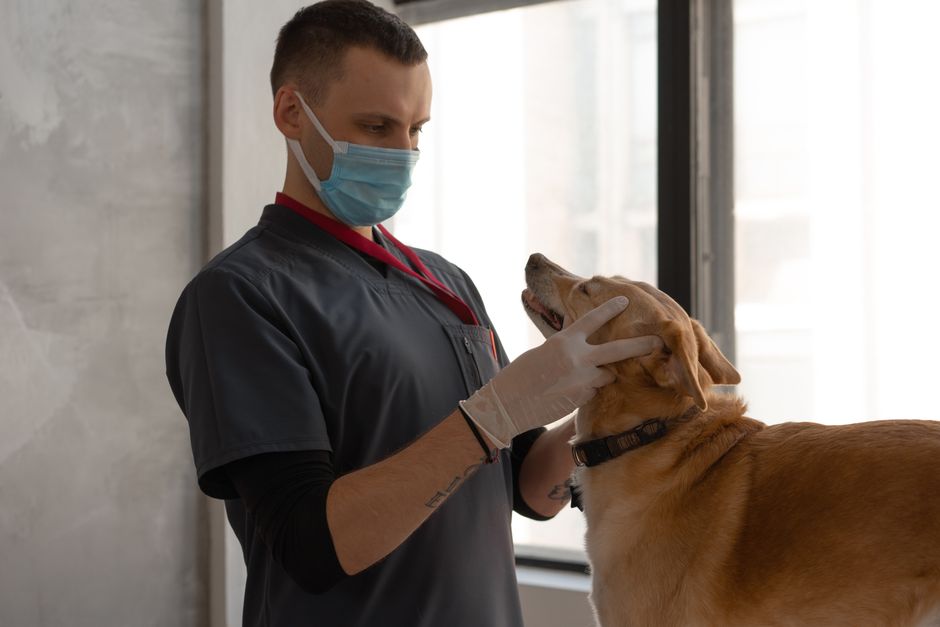
Addressing pet allergies starts with identifying the cause. During your visit to FurWell Veterinary Hospital, our veterinarians will perform a thorough examination and may recommend diagnostics such as skin scrapings, cytology, or allergy testing for pets in Greer, SC to pinpoint specific triggers. Once the underlying cause is identified, a treatment plan tailored to your pet’s needs can be developed.
Treatment approaches involve a combination of symptom relief and long-term management. Medicated shampoos or topical creams may help soothe irritated skin, while oral antihistamines, steroids, or newer medications like oclacitinib and cytopoint can reduce itching and inflammation. For pets with chronic or severe symptoms, immunotherapy—also known as allergy shots—may be recommended. This involves gradually introducing your pet to small amounts of the allergen, teaching the immune system to tolerate it rather than overreact.
Managing underlying skin infections, which often accompany allergies, is also important. Your veterinarian may prescribe antibiotics or antifungal medications if secondary infections are present. For pets who are allergic to fleas, strict flea prevention is essential; even indoor pets benefit from year-round protection using veterinary-approved products. Our team will discuss which options are safest and most effective for your dog or cat based on their lifestyle and health history.
Home Care and Prevention Tips for Pet Owners
While professional veterinary care is essential for diagnosing and treating allergies, there are several steps you can take at home to help your pet stay comfortable. Regular bathing with a gentle, hypoallergenic shampoo can remove allergens from your pet’s coat and skin, reducing irritation. Wiping your dog’s paws and belly with a damp cloth after walks helps prevent tracking pollen and mold indoors. Washing bedding and vacuuming frequently also limits exposure to dust mites and other allergens.
Using air purifiers in your home can reduce airborne allergens, while keeping windows closed during high pollen counts provides additional protection. Feeding a high-quality diet that supports skin health, and supplementing with omega-3 fatty acids if recommended by your veterinarian, may strengthen your pet’s natural defenses. For pets known to have food sensitivities, working with your veterinarian to identify and avoid trigger ingredients is crucial.
Flea prevention is another vital step, especially in the Southeast where flea populations thrive during the summer. Consistent use of veterinarian-recommended flea preventives keeps these pests at bay and reduces the risk of flea allergy dermatitis. If you notice your pet scratching after being outdoors or developing hot spots, prompt bathing and a call to your veterinarian can help prevent symptoms from worsening.
When to Schedule a Veterinary Appointment
Allergies can range from mild to severe, and some pets may require ongoing management to stay comfortable. It is time to schedule an appointment with our veterinary team if your pet is scratching relentlessly, developing sores or bald patches, or experiencing repeated ear infections. Other reasons to seek care include swelling of the face, hives, difficulty breathing, or sudden changes in behavior such as lethargy or loss of appetite.
Reactions to allergens can sometimes become more serious, especially if the skin barrier is broken and infections take hold. Our veterinarians at FurWell Veterinary Hospital can provide advanced diagnostics, prescription medications, and personalized advice to help your pet feel better as quickly as possible. If symptoms return each summer or do not respond to over-the-counter remedies, a professional evaluation and allergy testing for pets in Greer, SC may offer lasting solutions. Remember, managing allergies is a partnership between you and your veterinarian; timely intervention can prevent complications and help your pet enjoy a more comfortable summer.
Supporting Your Pet’s Health Through Every Season
Managing pet allergies in hot and humid South Carolina summers can be challenging, but with the right knowledge and support, you can help your dog or cat thrive. Recognizing early signs, understanding the role of local allergens, and working with a trusted veterinary team are the foundation of effective allergy care. At FurWell Veterinary Hospital, we are dedicated to providing compassionate, high-quality care to pets in Greer and surrounding communities. Whether your pet needs a thorough exam, allergy testing for pets in Greer, SC, or a personalized treatment plan, our veterinarians are here to help.
If you are searching for a veterinarian near me who truly understands the challenges pets face in South Carolina’s climate, look no further than FurWell. To schedule an appointment, call us at (864) 292-6433 or visit our convenient location at 1901 Brushy Creek Rd, Greer, SC 29650. Together, we can keep your pet healthy, happy, and comfortable—no matter how high the temperatures or pollen counts climb. For more information, visit our website at furwellvet.com or contact us with your questions. Your pet’s comfort and well-being are always our top priority.