
Understanding PU Surgery in Cats: What Owners Need to Know
Understanding PU Surgery in Cats: What Owners Need to Know
When your cat is struggling to urinate or shows signs of discomfort in the litter box, it can be a frightening experience. For many cat owners in Greer, SC and the surrounding areas, the words "PU surgery" may come up during a veterinary visit, bringing a mix of hope and anxiety. At FurWell, our veterinary team understands the stress and concern that accompany urinary blockages in cats. This blog will help you understand what perineal urethrostomy (PU) surgery involves, when it may be recommended, the risks and benefits, and how our team at 1901 Brushy Creek Rd, Greer, SC 29650 supports your cat’s recovery every step of the way. Whether you’re seeking clear guidance or reassurance, you’ll find practical answers here so you can make confident decisions for your feline companion’s health. If you’re researching options for PU surgery or want to learn more about perineal urethrostomy surgery for cats in Greer, SC, you’re in the right place.
Recognizing When PU Surgery Might Be Needed
Urinary tract problems are unfortunately common in male cats, and early recognition of these issues is critical for your cat’s wellbeing. The first signs that may prompt a discussion about PU surgery often appear as changes in urination habits. Key symptoms include frequent trips to the litter box with little or no urine produced, straining or crying while attempting to urinate, blood-tinged urine, urinating outside the litter box, and excessive licking of the genital area. Additionally, you may notice your cat becoming lethargic, losing appetite, or appearing restless and uncomfortable. These signs can indicate a urinary blockage, a potentially life-threatening emergency that requires immediate veterinary attention.
If your cat has had repeated urinary obstructions or blockages, especially after initial treatment with catheterization or medications, your veterinarian may begin to discuss long-term solutions, including PU surgery. Cats with anatomical abnormalities, severe inflammation, or recurrent blockages despite dietary and environmental management are the most likely candidates for this procedure. Understanding these warning signs will help you seek prompt care and discuss surgical options with your veterinary team before a crisis develops.
What Causes Urinary Blockages in Cats?
Urinary blockages occur most often in male cats due to their narrow urethras, which can easily become obstructed. The main causes include the formation of urethral plugs made of minerals, crystals, and mucus, as well as bladder stones or severe inflammation of the urinary tract. Cats that experience high levels of stress, are overweight, eat only dry food, or do not drink enough water are at increased risk for developing these problems.
Certain cats may have a naturally narrow or kinked urethra, making them more prone to repeated blockages. Environmental factors, such as living in a multi-cat household with limited access to clean litter boxes, can also contribute. Once a blockage occurs, urine backs up in the bladder, leading to pain, toxin buildup, and potentially fatal complications if left untreated. Recurrent blockages not only threaten your cat's health but also diminish their quality of life; this is where PU surgery can offer lasting relief.
Understanding PU Surgery: What to Expect
Perineal urethrostomy, often referred to as PU surgery, is a specialized procedure designed to create a wider opening in your cat’s urethra, allowing urine to pass more freely. This surgery involves removing the narrow portion of the urethra and reconstructing a new exit just below the anus. The goal is to prevent future blockages by permanently widening the path for urine to leave the body.
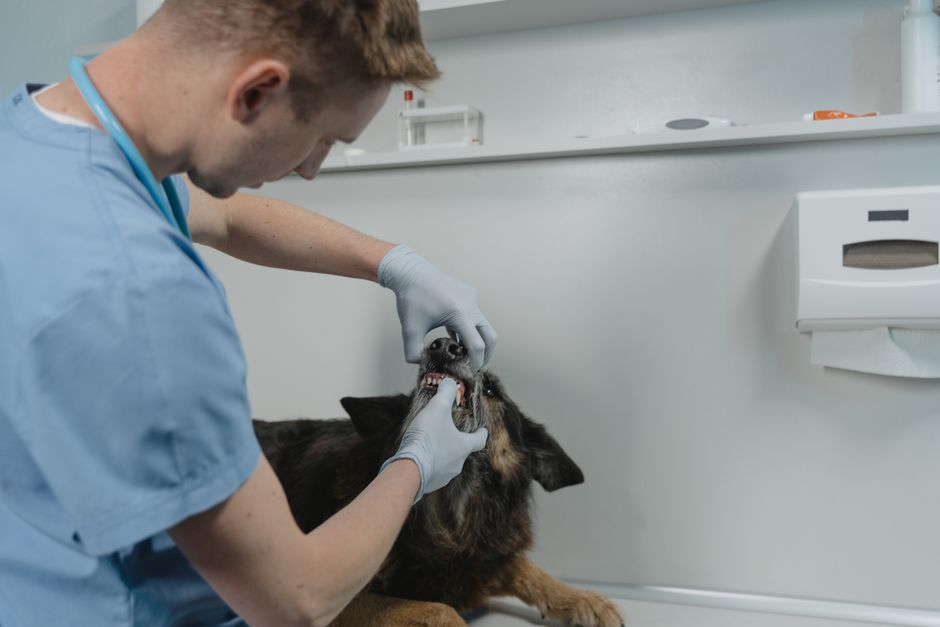
During your visit to FurWell, our veterinary team will perform a thorough pre-surgical assessment, including bloodwork, urinalysis, and sometimes imaging to evaluate your cat’s overall health. On the day of PU surgery, your cat will receive general anesthesia, and the procedure will be performed with meticulous attention to sterility and pain management. After surgery, your cat will be closely monitored for complications, such as bleeding or infection, and will receive medications for pain and to prevent infection.
Recovery from PU surgery typically involves a hospital stay for monitoring, followed by several weeks of home care. Most cats adjust well to their new anatomy and experience a significant improvement in their quality of life. While no surgery can guarantee a cat will never have urinary issues again, PU surgery greatly reduces the risk of future blockages and the emergencies they cause. For more information on the procedure and what to expect, you can explore our detailed overview of perineal urethrostomy surgery for cats in Greer, SC.
Home Care and Supporting Your Cat’s Recovery
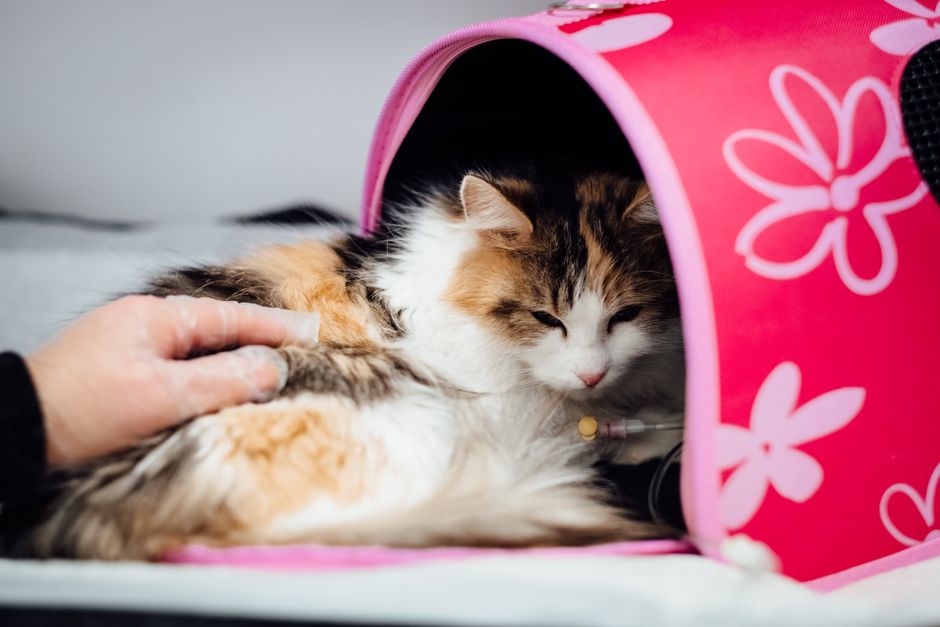
After PU surgery, your role in your cat’s recovery is vitally important. At home, you’ll need to provide a quiet, comfortable space where your cat can rest and heal without interference from other pets or children. Your veterinarian will give you detailed instructions for monitoring the surgical site, administering medications, and managing your cat’s diet and litter box hygiene.
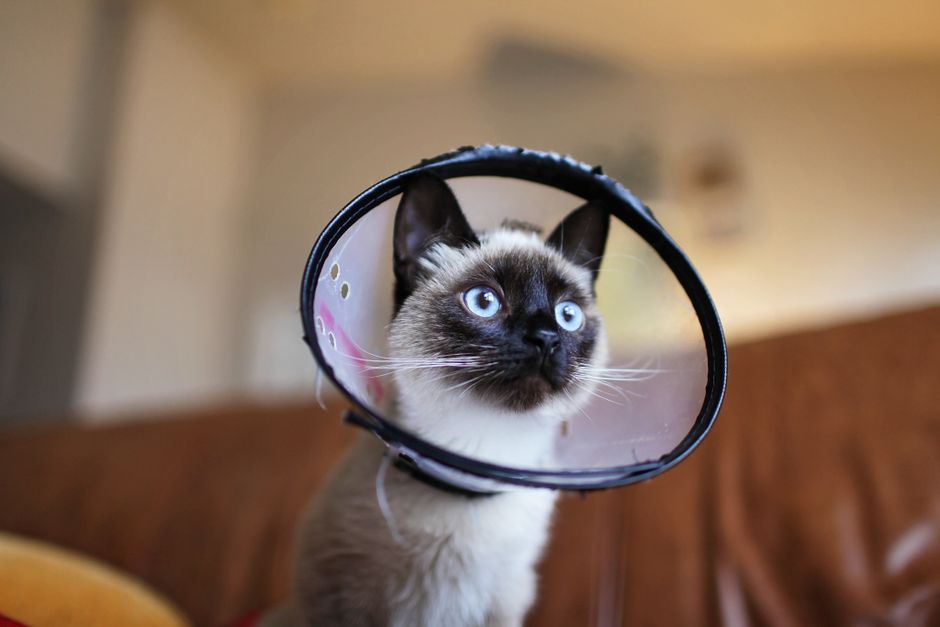
Key steps during recovery include keeping your cat indoors and using a low-dust, non-clumping litter to prevent contamination of the surgical area. You’ll also need to ensure your cat wears an E-collar to prevent licking or biting at the incision. Monitoring for complications is essential; signs of trouble may include swelling, bleeding, straining to urinate, or signs of pain. If you notice any of these, contact your veterinary team at once.
Long-term, many cats thrive after PU surgery, but maintaining good urinary health remains essential. Providing plenty of fresh water, feeding a veterinarian-recommended diet, and keeping stress levels low can all help prevent further urinary problems. Regular check-ups with your veterinary team will also ensure your cat stays on the path to a healthy, comfortable life.
Preventing Urinary Issues in Cats
While not all urinary blockages can be prevented, there are steps you can take to reduce the risk. Ensuring your cat has constant access to clean, fresh water encourages healthy hydration, which dilutes urine and reduces crystal formation. Feeding a high-quality, moisture-rich diet tailored to your cat’s specific needs can also play a role.
Managing stress is equally important; providing multiple litter boxes in quiet, accessible locations, engaging your cat with enrichment activities, and maintaining a consistent routine all support urinary health. Regular veterinary check-ups, including urinalysis and wellness visits, allow for early detection of potential problems and timely intervention.
If your cat has a history of urinary issues, talk to your veterinarian about prescription diets and environmental modifications that may help. Early intervention and proactive care are key to avoiding serious complications and the need for surgical intervention.
When to Seek Veterinary Care
If your cat shows any signs of urinary distress, such as straining, crying in the litter box, or producing little to no urine, seek veterinary attention immediately. Urinary blockages are medical emergencies and can become life-threatening in a matter of hours. Cats recovering from PU surgery who develop sudden changes in urination, excessive licking at the surgical site, or signs of pain also require prompt evaluation.
For ongoing management, schedule regular appointments with your veterinary team to monitor your cat’s urinary health and overall wellbeing. Open communication and timely visits help ensure your cat receives the best possible care at every stage.
Compassionate Support for Cat Owners in Greer, SC
Facing the possibility of PU surgery for your cat can be daunting, but you’re not alone. At FurWell, our veterinarians are dedicated to guiding you through the entire process, from diagnosis to recovery and ongoing care. We are committed to providing clear information, compassionate support, and the highest standard of surgical care for cats in Greer and the surrounding communities.
If you’re searching for a "vet near me" who understands your cat’s unique needs, FurWell is here for you. Schedule an appointment with our veterinary team at 1901 Brushy Creek Rd, Greer, SC 29650 by calling (864) 292-6433. For more information about PU surgery and how we can help your cat recover comfortably, visit our page on perineal urethrostomy surgery for cats in Greer, SC. Your cat’s comfort, safety, and long-term wellbeing are always our highest priorities.
This blog is intended for educational purposes only and does not replace professional veterinary advice. For specific concerns about your cat’s health, please contact your veterinarian directly.