
Managing Pet Allergies in Greer’s Late Summer Weather
Managing Pet Allergies in Greer’s Late Summer Weather
As September’s warm, humid days linger in Greer, many pet owners notice their dogs and cats scratching, licking, or sneezing more than usual. Late summer in the Carolinas brings a surge of environmental allergens, from grass pollens to mold spores, that can make pets miserable. If your pet seems increasingly uncomfortable as the seasons shift, you’re not alone; seasonal allergies are a common concern for families in our region. At FurWell Veterinary Hospital, located at 1901 Brushy Creek Rd, Greer, SC 29650, our team of veterinarians understands how frustrating and distressing allergy symptoms can be for both pets and their owners. This blog will help you recognize the signs of seasonal allergies in dogs and cats, explain what causes them, and outline how you can find relief and prevent future flare-ups. We’ll also share how our veterinary professionals at FurWell are here to support your pet’s comfort and health this fall, from comprehensive physical exams to advanced allergy testing and customized treatment plans.
Recognizing Signs of Seasonal Allergies in Dogs and Cats
Seasonal allergies, also known as atopic dermatitis, often become apparent as late summer moisture and pollen counts rise. Key symptoms in pets include frequent scratching, licking or chewing at the paws, red or inflamed skin, recurring ear infections, watery eyes, sneezing, or even hair loss in severe cases. Dogs may develop hot spots or persistent odor, while cats might overgroom, leaving bald patches or scabby areas. Some pets also experience chronic ear problems, head shaking, or sudden changes in appetite and behavior due to discomfort.
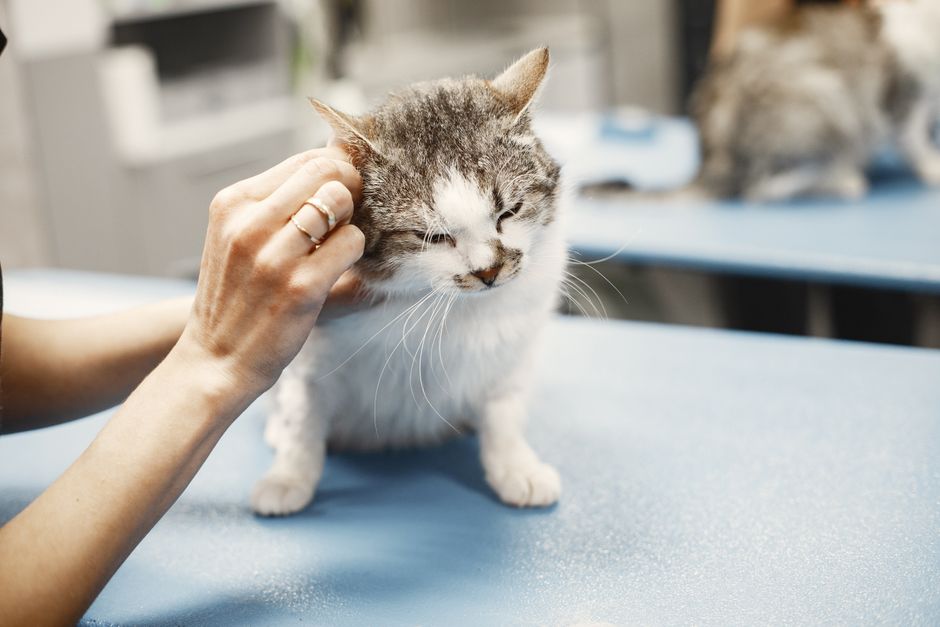
If your pet is suddenly itching more than usual, especially after spending time outdoors or following a rainy spell, it could be a sign of environmental allergies rather than fleas or food sensitivities. Persistent skin irritation, excessive paw licking, and repeated ear issues are especially suggestive of seasonal allergens in our local climate. Because these symptoms often overlap with other health problems, a comprehensive physical examination by our veterinary team can help pinpoint the underlying cause and guide the right treatment plan.
Why Do Allergies Flare Up in Greer’s Late Summer Weather?
The upstate South Carolina climate sets the stage for late summer allergy woes. High humidity, frequent rainfall, and lingering warmth drive up levels of grass pollens, weeds such as ragweed, and outdoor molds. These airborne allergens can cling to your pet’s fur and skin, triggering immune reactions with every romp in the yard or walk around the neighborhood. Additionally, late summer is prime time for flea populations, which can also contribute to itchy skin and complicate allergy symptoms.
Many pets, especially those with a genetic predisposition, develop hypersensitivity to these common environmental allergens. Dogs and cats with seasonal allergies may begin reacting as early as six months to two years of age and often experience a pattern of flare-ups at the same time every year. Indoor allergens, like dust mites or molds that thrive in damp weather, can also play a role. Understanding the local environmental triggers that affect pets in Greer helps our veterinary team create targeted prevention and management strategies for long-term comfort.
Expert Veterinary Treatment for Pet Allergies
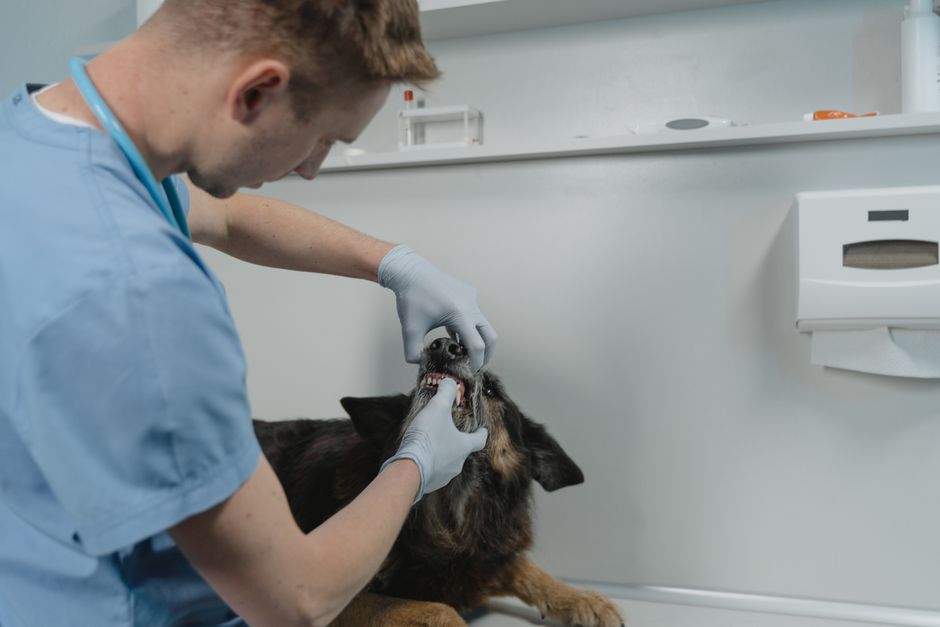
Managing pet allergies effectively begins with a thorough veterinary assessment. At FurWell Veterinary Hospital, we start by taking a detailed history, noting when symptoms appear and what makes them worse. Our veterinarians perform a full physical examination, paying close attention to the skin, ears, and paws. In some cases, we may recommend advanced diagnostics, such as allergy testing services, to identify the specific allergens affecting your pet. This can be especially helpful for pets with year-round symptoms or those that do not respond to standard treatments.
Treatment approaches for seasonal allergies may involve several strategies. For many pets, regular bathing with hypoallergenic or medicated shampoos helps remove allergens from the coat and soothe irritated skin. Prescription medications, such as antihistamines, corticosteroids, or newer therapies like oclacitinib (Apoquel) and cytopoint injections, can provide relief from itching and inflammation. In some cases, our veterinary team may recommend immunotherapy, which gradually desensitizes your pet’s immune system to specific allergens and can offer long-term improvement. Treating any secondary infections, like yeast or bacteria, is also crucial for healing and comfort.
Because flea allergies can mimic or worsen seasonal atopy, we often discuss year-round parasite prevention. Products that control fleas, such as those available at our hospital, are an important part of any allergy management plan. Each pet’s treatment is tailored to their individual needs, lifestyle, and response to therapy, ensuring the safest and most effective care.
Home Care and Prevention Tips for Managing Pet Allergies
There are several steps pet owners can take at home to help minimize allergic flare-ups during Greer’s late summer. Regularly wiping down your pet’s paws and coat after outdoor activities can help remove pollen and mold spores before they cause irritation. Frequent vacuuming, washing pet bedding in hot water, and keeping windows closed on high pollen days can limit indoor exposure. Bathing your dog or cat with a veterinarian-approved shampoo once or twice a week may further reduce allergen load and soothe the skin.
Maintaining consistent flea prevention is vital, especially as flea populations thrive in humid weather. If your pet is experiencing itching despite regular parasite prevention, our team can discuss advanced options and recommend Bravecto Quantum flea and parasite prevention to address flea-related itching and allergic reactions. For pets with food sensitivities, your veterinarian may guide you through an elimination diet to rule out additional triggers. Supporting your pet’s overall health with balanced nutrition, regular exercise, and routine wellness visits helps strengthen their immune system and resilience to environmental stressors.
When to Seek Veterinary Care for Allergies
While mild seasonal itching can sometimes be managed with home care, there are situations where professional veterinary help is essential. If your pet’s symptoms are severe, persistent, or interfering with their quality of life, it is time to schedule an appointment. Warning signs that require prompt attention include raw or bleeding skin, large hot spots, repeated ear infections, hair loss, or changes in appetite and behavior. Uncontrolled scratching can lead to secondary infections, which may need prescription medication and medical intervention.
If you are unsure whether your pet’s symptoms are due to allergies or another underlying health problem, our veterinary professionals can provide a thorough assessment and recommend the best course of action. Early intervention not only relieves your pet’s discomfort but also reduces the risk of chronic skin issues and complications. You can always rely on FurWell Veterinary Hospital for supportive, compassionate care tailored to your pet’s unique needs. For a more detailed evaluation of allergy symptoms and related health concerns, our general veterinary medicine services can offer comprehensive solutions.
Supporting Your Pet’s Comfort Year-Round: Why Choose FurWell Veterinary Hospital
Living in Greer and the surrounding communities means navigating seasonal changes that can affect your pet’s wellbeing. At FurWell Veterinary Hospital, our team of veterinarians is dedicated to helping your family enjoy a comfortable, happy fall without the disruption of allergy symptoms. Whether your pet needs a comprehensive physical examination, advanced allergy testing services, or guidance on the latest flea prevention, we are here to support every aspect of their health.
If you are searching for a “vet near me” who truly understands the challenges of late summer allergies in the Upstate, look no further than our compassionate, knowledgeable team. To schedule an appointment or discuss your pet’s symptoms, call us at (864) 292-6433 or visit us at 1901 Brushy Creek Rd, Greer, SC 29650. Your pet’s comfort and health are always our top priorities, and we look forward to helping them thrive through every season.
This blog is for informational purposes only and does not replace professional veterinary advice. If your pet is experiencing severe or concerning symptoms, contact your veterinarian promptly.