
How to Prevent Heatstroke in Pets This August
How to Prevent Heatstroke in Pets This August
Summer in Greer brings plenty of sunshine, but it also means soaring temperatures and high humidity—conditions that can quickly put your dog or cat at risk for heatstroke. As pet owners, it’s natural to worry about how your furry companion will fare during the hottest part of the year. At FurWell Veterinary Hospital, our team of veterinarians understands the unique challenges pets face in the South Carolina summer. In this guide, we’ll help you recognize the signs of heatstroke in pets, explain how heat-related emergencies happen, share practical prevention tips, and discuss how our veterinary professionals can help keep your pet safe and comfortable all season long. Whether you’re walking your dog in the neighborhood or watching your cat bask on the porch, understanding the risks of heatstroke is the first step in protecting your pet during August’s peak heat.
Recognizing the Signs of Heatstroke in Pets
Heatstroke is a life-threatening emergency for dogs and cats. Recognizing it early can make all the difference in your pet’s recovery. Common symptoms of heatstroke in pets include excessive panting or drooling, difficulty breathing, bright red or pale gums, lethargy, vomiting, diarrhea, and collapse. In more severe cases, your pet may experience confusion, unsteady walking, seizures, or even loss of consciousness. Cats tend to hide signs of distress, so you might notice them seeking out cool, hidden spots or becoming unusually quiet. Dogs, on the other hand, may become restless or agitated as their body temperature rises.
If you notice any of these signs, especially after your pet has been outdoors during a hot day or confined in a warm space, it is crucial to act quickly. Early intervention can prevent serious complications, including organ damage or death. Always remember that heatstroke can develop much faster than you might expect, sometimes within minutes of exposure to extreme heat.
Why Heatstroke Happens: Understanding the Risks for Dogs and Cats
Pets are much more sensitive to heat than people. Dogs and cats do not sweat like humans; instead, they primarily regulate their body temperature through panting. This method is far less efficient, particularly in humid conditions like those common in Greer and surrounding communities during August. Breeds with short noses, such as Bulldogs, Pugs, Boxers, Persian cats, and Himalayans, have an even harder time dissipating heat. Overweight pets, seniors, puppies, and those with underlying medical conditions are also more susceptible.
Heatstroke most often occurs when pets are left in parked vehicles, even for a few minutes, or when they are exercised during the hottest part of the day. Hot pavement and asphalt can burn sensitive paw pads and contribute to overheating. Even shaded yards can become dangerously warm if there is not enough air movement or access to cool water. Indoor pets are not immune either; a broken air conditioner on a humid August day can put your dog or cat at risk.
What to Do If You Suspect Heatstroke: Professional Treatment and First Aid
If you think your pet is suffering from heatstroke, immediate action is essential. Move your pet to a cooler area right away, ideally indoors with air conditioning or a fan. Offer small amounts of cool (not cold) water for your pet to drink, but do not force them. Gently wet their fur with cool water, focusing on the paws, belly, and armpits, but avoid using ice or ice-cold water, which can cause shock.
As soon as your pet is stabilized, contact a veterinary hospital like FurWell for further care. Our veterinary team is trained to provide comprehensive support for pets experiencing heatstroke, including intravenous fluids, oxygen therapy, and monitoring for complications such as kidney failure or neurological issues. Timely treatment can mean the difference between a full recovery and lasting health problems. Never attempt to treat heatstroke at home without veterinary supervision, as pets may require advanced diagnostics and supportive care.
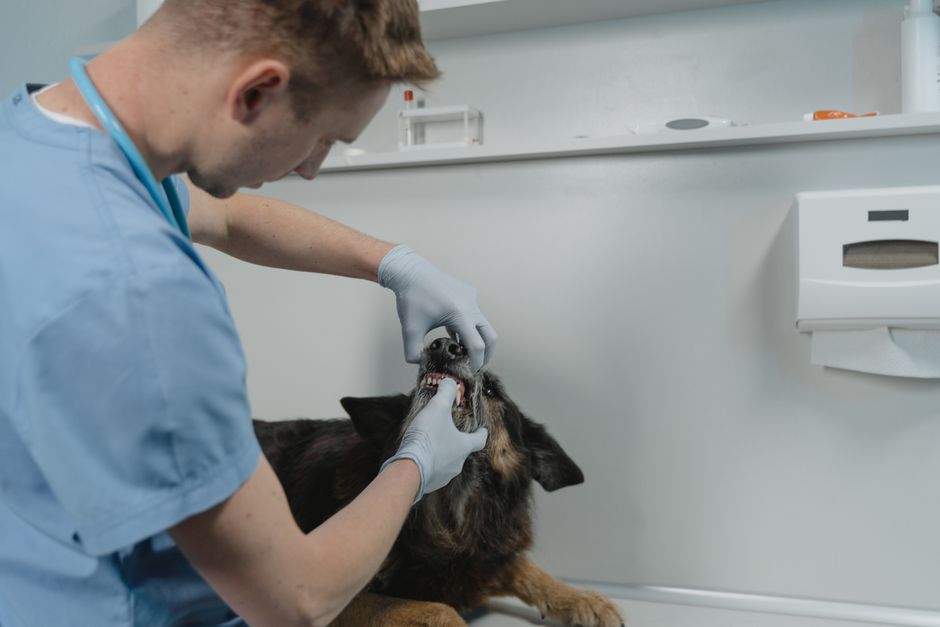
If you are unsure whether your pet’s symptoms indicate heatstroke or another medical issue, scheduling a comprehensive physical exam with our veterinarians is the best way to ensure your pet receives the appropriate care.
Keeping Your Pet Safe: Prevention and Home Care Strategies
Prevention is always better than treatment, especially when it comes to heatstroke. To keep your pet cool and comfortable during August, adjust your routines and environment to minimize their risk. Walk dogs early in the morning or late in the evening when temperatures are lower, and choose grassy areas instead of hot pavement for outdoor play. Always provide plenty of fresh, cool water both indoors and outside, and ensure your pet has access to shade or air conditioning at all times.
For cats, encourage them to stay indoors during the hottest hours of the day. If your cat enjoys sunbathing by the window, make sure the room is well-ventilated. Consider closing curtains or blinds to block direct sunlight. Never leave pets unattended in parked cars, even with the windows cracked, as temperatures inside a vehicle can rise dangerously fast.
Proper nutrition and weight management are also key to helping your pet handle summer heat. Overweight pets are at higher risk for heatstroke, so work with your veterinarian to create an appropriate diet and exercise plan. You can learn more about pet nutrition services and guidance for keeping pets healthy in summer to support your pet’s wellbeing during the hottest months.
Regular veterinary check-ups also play a crucial role in preventing heat-related illnesses. During a comprehensive physical exam, our team will evaluate your pet’s overall health, discuss risk factors, and offer personalized advice for summer safety.
When to Seek Veterinary Care for Heatstroke
Knowing when to seek veterinary care can save your pet’s life. If your dog or cat shows any signs of heatstroke—such as rapid breathing, vomiting, weakness, confusion, or collapse—do not wait to see if symptoms resolve on their own. Even mild cases can escalate quickly, and pets may suffer from hidden internal damage that is not immediately obvious.
Call FurWell Veterinary Hospital as soon as you suspect a problem. Our compassionate veterinary professionals are ready to help you determine the next steps and can provide instructions for stabilizing your pet before arrival if needed. Scheduling an appointment as soon as possible ensures your pet receives the care necessary to recover safely. If you are ever unsure, it is always better to err on the side of caution; early intervention can make all the difference.
Protecting Your Pet in Greer’s Summer Heat: The FurWell Commitment
The South Carolina summer can be challenging for pets and their owners, but with the right knowledge and a proactive approach, you can keep your furry companion safe from heatstroke all season long. By recognizing the warning signs, understanding the risks, practicing effective prevention, and knowing when to seek help, you are taking important steps to protect your pet’s health and happiness.
If you have questions about heatstroke, need advice on summer safety, or would like to schedule a wellness visit, our veterinary team at FurWell is here to support you every step of the way. When searching for a vet near me, choose a practice that prioritizes your pet’s wellbeing and provides comprehensive care in Greer and surrounding communities. To book your pet’s next exam or to speak with one of our veterinary professionals about heatstroke prevention, call us at (864) 292-6433 or visit us at 1901 Brushy Creek Rd, Greer, SC 29650. Your pet’s safety is our top priority—let’s make this August a happy and healthy one together.
If you believe your pet is experiencing a medical emergency, seek veterinary care immediately. The advice provided in this article is for informational purposes only and does not replace professional veterinary consultation.