
Does Your Cat Need Professional Dental Disease Prevention?

Does Your Cat Need Professional Dental Disease Prevention?
As a cat owner, you might wonder whether the care you provide at home is truly enough to keep your feline friend’s teeth and gums healthy. Dental disease is one of the most common health problems in cats, often developing quietly before any obvious symptoms appear. If you’ve ever found yourself asking, "how can I tell whether I need professional help with preventing dental disease in a cat?"—you’re not alone. At FurWell, our veterinary team in Greer, SC understands how important it is for your cat’s comfort, overall health, and longevity to maintain excellent oral hygiene. In this article, we’ll guide you through the key signs that your cat may need more than just home dental care, explore the causes and consequences of dental disease, review the professional dental services available, and help you decide when it’s time to schedule a visit at our 1901 Brushy Creek Rd, Greer, SC 29650.
Recognizing the Signs: Is Home Dental Care Enough for Your Cat?
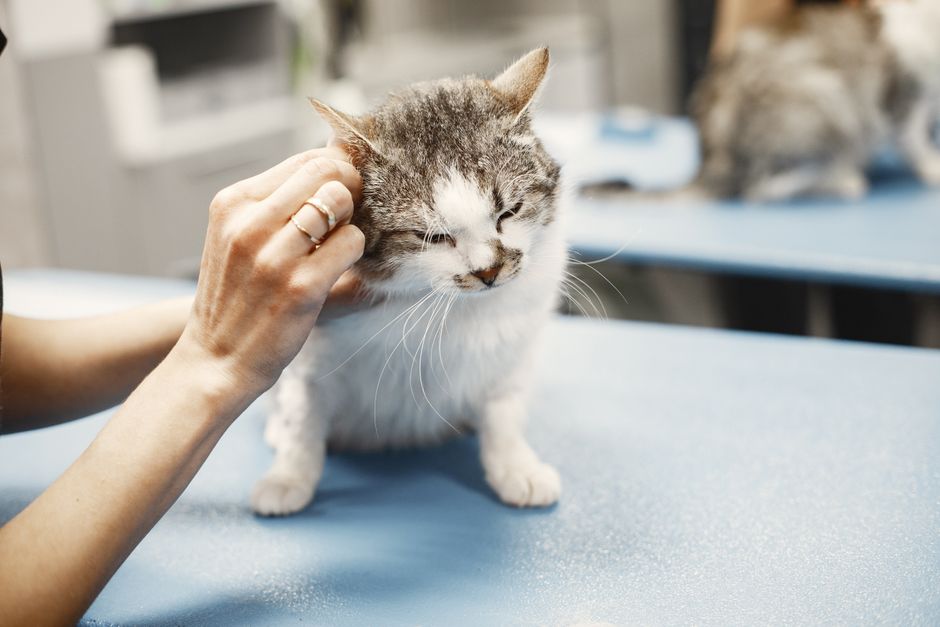
If you’re wondering how can I tell whether I need professional help with preventing dental disease in a cat, the answer often lies in what you observe at home. Many cats are experts at hiding discomfort, so oral disease can go unnoticed until it’s advanced. There are several warning signs to be aware of that may signal your cat needs more than daily brushing or dental treats. Common symptoms of dental disease in cats include persistent bad breath, red or bleeding gums, yellow or brown tartar buildup along the gumline, difficulty eating or chewing, pawing at the mouth, drooling, and changes in behavior such as irritability or decreased grooming. Additionally, if you notice that your cat is dropping food, eating less, or showing any signs of pain when their mouth is touched, these are clear signs that a professional dental evaluation is needed.
It’s important to remember that some dental issues, especially those below the gumline, may not be visible during your routine at-home checks. This is why a physical exam with a veterinarian is essential for early detection.
Why Do Cats Develop Dental Disease? Understanding the Causes
Dental disease in cats typically begins with plaque accumulation. Plaque is a soft, sticky film of bacteria that forms on the teeth after eating. If not removed regularly, plaque hardens into tartar, which can irritate the gums and harbor more harmful bacteria. Over time, this process leads to gingivitis, which is inflammation of the gums, and if left untreated, can progress to periodontitis—a more severe condition where the structures supporting the teeth become damaged.
Several factors increase a cat’s risk of dental disease. Diet plays a significant role, as cats who eat mostly wet food or table scraps may have more plaque buildup than those who eat dry kibble designed for dental health. Genetics can also make some cats more susceptible to gum issues, while age naturally increases the risk of dental problems. Certain underlying health conditions, such as feline immunodeficiency virus (FIV) or diabetes, can also contribute to oral health challenges.
Professional Dental Care: What to Expect at the Veterinary Clinic
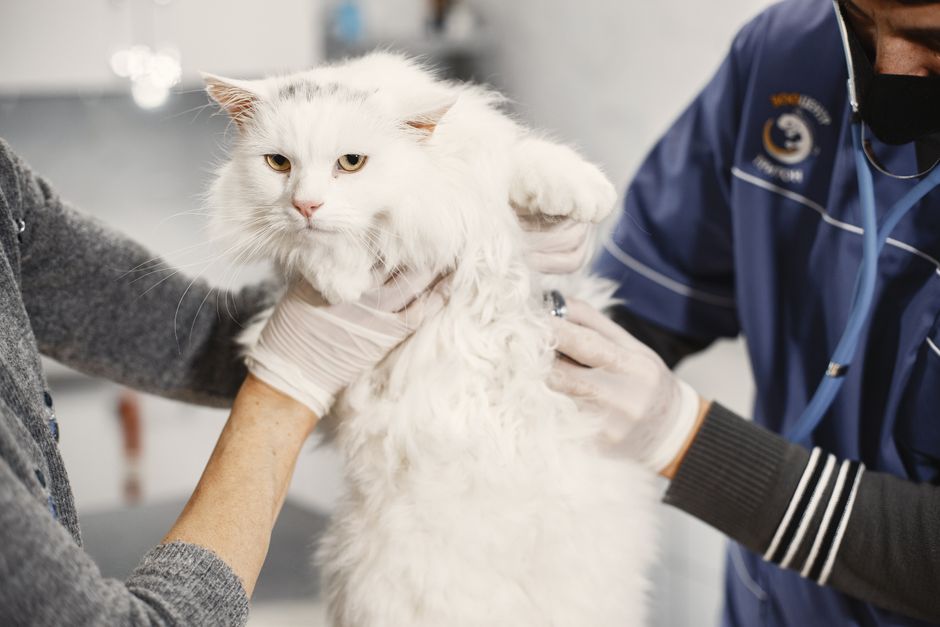
When home care isn’t enough, professional veterinary dental services make all the difference in preventing and managing dental disease. At FurWell, our approach begins with a thorough oral examination during your cat’s wellness visit. If our veterinarians notice any signs of dental disease, they may recommend a professional teeth cleaning under anesthesia. This procedure allows us to clean above and below the gumline, where tartar and bacteria can hide.
During professional dental cleanings, our team uses specialized equipment to remove tartar and polish the teeth, reducing future plaque buildup. We also take dental radiographs to look for problems beneath the surface, such as tooth root abscesses or bone loss, which are impossible to see with the naked eye. If necessary, our veterinarians may recommend pet tooth extractions or dental surgery to treat advanced disease or painful oral conditions.
After the procedure, we’ll provide you with guidance on post-care and future prevention strategies. The combination of professional cleanings and at-home dental care gives your cat the best defense against painful tooth and gum problems.
Home Dental Care for Cats: What You Can Do
While professional care is vital, your efforts at home are just as important. Brushing your cat’s teeth daily or several times a week with a cat-safe toothpaste is the most effective way to prevent plaque buildup. If your cat isn’t accustomed to brushing, start slowly and use gentle motions, rewarding them with treats or affection.
There are also dental diets and treats formulated to help reduce tartar. Some water additives and oral gels can support oral health, although these should always be discussed with your veterinarian before use. Regularly checking your cat’s mouth for changes in smell, color, or appearance is helpful, but remember that not all issues are visible. Even with the best home care, some cats will still need professional cleanings, especially as they age.
When Should You Seek Professional Help for Your Cat’s Dental Disease?
The key question—how can I tell whether I need professional help with preventing dental disease in a cat?—comes down to a combination of what you see and what you cannot see. If your cat shows any signs of dental discomfort, such as bad breath, drooling, bleeding gums, or changes in eating habits, it’s important to schedule a dental exam as soon as possible. Even if your cat isn’t showing obvious symptoms, annual or semi-annual dental evaluations as part of their routine veterinary care are essential for early detection and prevention.
Professional dental assessments allow our veterinarians at FurWell to identify hidden problems, recommend the right treatment, and customize a preventive care plan for your cat. Skipping professional dental checkups can lead to painful conditions that affect your cat’s quality of life and may even impact their heart, kidneys, or other organs over time.
How Our Team in Greer, SC Can Help: Comprehensive Cat Dental Services
At FurWell, our veterinary team is dedicated to keeping your cat healthy and comfortable through every stage of life. We offer comprehensive dental care services, including teeth cleaning to prevent gingivitis, dental radiographs, extractions, and advanced dental surgeries. Our approach is tailored to your cat’s individual needs, whether you’re looking for guidance on home care or your cat requires more advanced treatment.
If you’re searching for a "vet near me" who can help answer how can I tell whether I need professional help with preventing dental disease in a cat, look no further than our team at 1901 Brushy Creek Rd, Greer, SC 29650. We take pride in building lasting relationships with pet owners throughout Greer and the surrounding communities, ensuring that every cat receives personalized, compassionate care.
Take the Next Step: Protect Your Cat’s Smile Today
Your cat’s dental health is a crucial part of their overall well-being. If you have noticed any signs of dental disease, are unsure about your cat’s oral health, or simply want to take a proactive approach, we encourage you to schedule an appointment with our veterinary team. Our veterinarians are here to help you answer the important question, "how can I tell whether I need professional help with preventing dental disease in a cat?" and to provide the expert care your cat deserves.
Contact FurWell today at (864) 292-6433 or visit us in person at 1901 Brushy Creek Rd, Greer, SC 29650 to schedule a dental evaluation or learn more about our professional teeth cleaning services. Together, we can help your cat live a happier, healthier life—one purr and one clean tooth at a time. If you’re seeking a veterinarian near me, our team at FurWell is ready to support you and your feline companion every step of the way.
This article is intended to provide general information and should not replace professional veterinary advice. If you have concerns about your cat’s dental health, please contact your veterinarian for personalized recommendations.