

PU Surgery for Cats: Recovery, Risks, and When It’s Needed
PU Surgery for Cats: Recovery, Risks, and When It’s Needed
If your cat has ever struggled with repeated urinary blockages or you’ve heard your veterinarian mention “PU surgery,” you likely have questions and concerns. At FurWell, we know how stressful it can be when your cat faces serious urinary problems, and you want the best possible care close to home. Our team in Greer, SC, is here to guide you through every step of the perineal urethrostomy (PU) process, from understanding when this surgery is needed to supporting your cat’s recovery. In this article, we’ll explain the signs that might mean your cat needs PU surgery, discuss what the procedure involves, cover recovery and risks, and share how we help cats and their families before, during, and after surgery. If you’re searching for answers about PU surgery in Greer or want to know what options are available for your cat, you’ll find clear, compassionate information right here.
Learn more about perineal urethrostomy surgery services for cats in Greer, SC to see how our veterinarians at FurWell support you and your feline companion.
Recognizing the Problem: Signs Your Cat May Need PU Surgery
Urinary troubles in cats are unfortunately common, especially among male cats. Sometimes, routine treatments and dietary management are enough to restore urinary health; however, in certain cases, a cat may experience repeated blockages that threaten their well-being. Knowing when these issues are more than just a passing problem is the first step toward helping your cat feel comfortable again.
Key symptoms that might indicate a serious urinary blockage include frequent trips to the litter box with little or no urine produced, straining or crying out in pain while trying to urinate, blood-tinged urine, and excessive licking of the genital area. You may also notice your cat becoming lethargic, hiding, or losing their appetite. In severe cases, vomiting and collapse can occur if the blockage is not relieved quickly. If you observe any of these symptoms, especially if your cat is unable to pass urine, this is an emergency that requires immediate veterinary attention.
When these episodes recur, or if your cat develops scar tissue that makes urination difficult even after initial treatment, your veterinarian may discuss PU surgery as an option to prevent future obstructions and restore your cat’s quality of life.
Understanding the Causes: Why Do Cats Need PU Surgery?
PU surgery, or perineal urethrostomy, is most often recommended for male cats suffering from repeated urethral blockages. The feline urethra—the tube carrying urine from the bladder out of the body—narrows significantly near the penis, making male cats especially susceptible to blockages. These blockages are commonly caused by mineral crystals, mucus plugs, or inflammatory debris that cannot easily pass through the narrow opening.
Other factors contributing to urinary blockages include stress, dehydration, obesity, and underlying medical conditions such as bladder inflammation or urinary tract infections. Certain cats may also have anatomical abnormalities or develop strictures (narrowing due to scar tissue) after previous episodes, further increasing the risk of obstruction.
When a cat experiences multiple blockages or develops irreversible narrowing, ongoing medical management becomes less effective. In these situations, PU surgery is considered to provide a permanent solution by creating a wider urinary opening, reducing the chance of future life-threatening blockages.
What Is PU Surgery? The Process and What to Expect
Perineal urethrostomy, commonly referred to as PU surgery, is a surgical procedure designed to remove the narrow, blockage-prone portion of the male cat’s urethra. By creating a new, wider opening just below the anus, this surgery allows urine to flow freely, minimizing the risk of recurring obstructions.
Before the Surgery
Your cat’s journey toward PU surgery begins with a thorough evaluation by our veterinary team. We review your cat’s medical history, perform a complete physical examination, and utilize advanced diagnostics such as bloodwork and urinalysis to assess overall health and identify any infections or metabolic disturbances. Our diagnostic laboratory services at FurWell enable us to quickly and accurately gather the information needed to safely proceed with surgery.
During the Procedure
PU surgery is performed under general anesthesia by experienced veterinarians. The procedure involves removing the narrow end of the urethra and suturing the remaining portion to the skin, creating a new, larger urinary opening. This delicate surgery requires precision to minimize complications and ensure the best possible outcome for your cat.
After Surgery: Recovery and Home Care
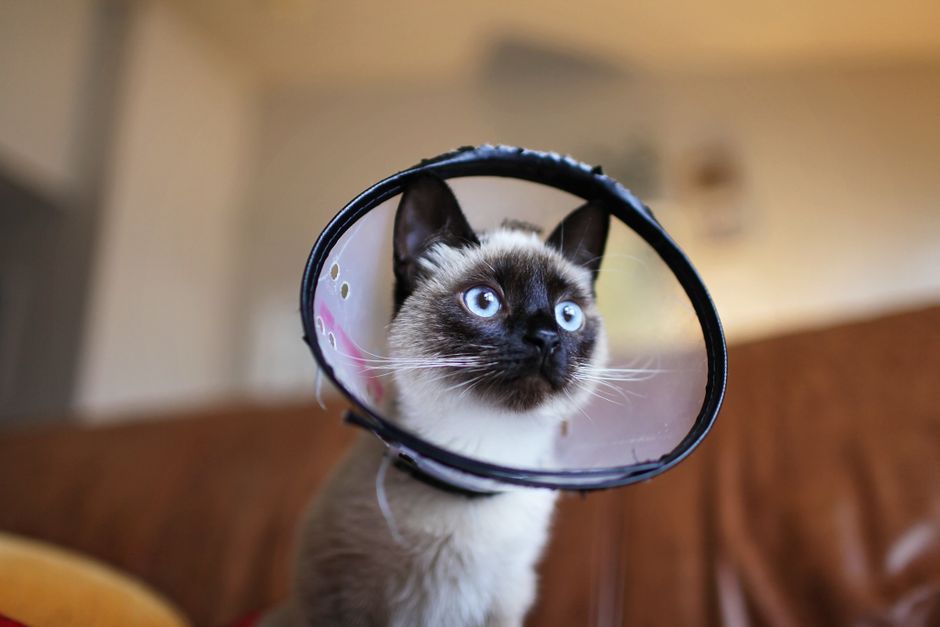
Immediate post-surgical care focuses on pain management, infection prevention, and supporting your cat as they adjust to their new anatomy. Your cat will typically stay at the clinic for observation and pain control for a day or two. At home, you will need to provide a clean, stress-free environment, prevent your cat from licking or disrupting the surgical site (often with an e-collar), and closely monitor for any signs of discomfort or complications. Your veterinarian will guide you on proper litter box hygiene—using dust-free, non-clumping litter initially is often recommended—and schedule follow-up visits to monitor healing.
Most cats adjust very well after PU surgery, regaining the ability to urinate comfortably and returning to their normal routines within a couple of weeks. The majority experience significant improvements in quality of life, though some lifelong adjustments may be needed to reduce the risk of urinary tract infections.
Risks and Considerations: What Pet Owners Should Know
Like any surgical procedure, PU surgery carries some risks. Complications can include bleeding, infection, swelling at the surgical site, narrowing of the new opening, or in rare cases, urinary incontinence. Most complications are manageable with prompt veterinary care and diligent home monitoring.
It’s important to remember that PU surgery does not address the underlying causes of crystal or stone formation in the urinary tract. Your veterinarian will work closely with you to develop a long-term plan, including dietary management, increased water intake, and regular checkups, to minimize the risk of further urinary issues.
Choosing an experienced veterinary team for your cat’s PU surgery is key to minimizing risks and ensuring a smooth recovery. At FurWell, our veterinarians have the surgical expertise and compassionate approach you can trust for advanced soft tissue procedures. You can read more about our advanced soft tissue surgery services for pets.
Prevention and At-Home Support for Cats with Urinary Issues
While some cats are genetically predisposed to urinary blockages, there are several steps you can take at home to reduce your cat’s risk of future urinary problems. Providing fresh water at all times, encouraging your cat to drink more by offering multiple water bowls or a cat fountain, and feeding a veterinarian-recommended diet formulated for urinary tract health are all important. Keeping your cat’s litter box clean, reducing household stress, and maintaining a healthy weight also support urinary wellness.
Routine veterinary care is vital for early detection and management of urinary issues. Our comprehensive physical examinations at FurWell help identify potential problems before they become emergencies, allowing for proactive care and peace of mind.
When to Seek Veterinary Care: Knowing When PU Surgery Is Needed
Any time your cat shows signs of difficulty urinating—whether it’s straining in the litter box, producing little urine, vocalizing while trying to urinate, or displaying changes in behavior—it’s crucial to contact your veterinarian immediately. Urinary blockages are true emergencies, and even a short delay can lead to life-threatening complications.
If your cat has experienced more than one blockage, has developed scar tissue, or if current treatments are no longer effective, your veterinarian may recommend PU surgery as the best way to restore comfort and prevent future crises. Early intervention is the best way to protect your cat’s health and happiness.
Supporting Your Cat Every Step of the Way: FurWell’s Commitment
At FurWell, we understand how overwhelming it can be to face the prospect of PU surgery for your cat. Our veterinary team is dedicated to providing compassionate support, clear communication, and advanced surgical care from your first visit through recovery. Whether you’re in Greer or the surrounding communities, you can count on our expertise and experience to guide you and your cat through every stage of the process.
If you suspect your cat may need PU surgery or are looking for a trusted vet near me for urinary health concerns, we encourage you to reach out today. Schedule an appointment with our team by calling (864) 292-6433, or visit us at 1901 Brushy Creek Rd, Greer, SC 29650 to discuss your options. You can also explore more about perineal urethrostomy surgery for cats in Greer, SC on our website.
Your cat’s comfort and well-being matter to us. Let FurWell be your partner in keeping your feline family member healthy, happy, and thriving—today and for years to come.