

Dental Disease in Dogs and Cats: Signs Every Owner Should Know

Dental Disease in Dogs and Cats: Signs Every Owner Should Know
Is your dog or cat showing signs of bad breath, discomfort while eating, or a change in behavior? Dental disease is one of the most common health issues affecting pets, and yet it often goes unnoticed until it becomes a serious problem. At FurWell Veterinary Hospital, located at 1901 Brushy Creek Rd, Greer, SC 29650, our veterinary team is committed to helping pet owners in Greer and surrounding communities protect their companions from the pain and health risks of dental disease. In this blog, we will guide you through the warning signs of dental disease in dogs and cats, explain how these issues can impact your pet’s overall health, and share how our team at FurWell can support your pet’s dental wellness through preventive care and advanced treatment options. Whether you’re scheduling your pet’s first dental exam or just want to learn more about dental care, you’ll find practical tips and expert advice here to keep your furry friend’s smile healthy year-round.
Recognizing the Signs of Dental Disease in Dogs and Cats
Many pet owners are surprised to learn that dental disease can develop quietly, with few obvious symptoms in the early stages. However, being attentive to subtle changes in your pet’s mouth and behavior can help you catch problems before they become severe. Key symptoms of dental disease in dogs and cats include persistent bad breath, red or swollen gums, visible tartar buildup on the teeth, and difficulty eating or chewing food. You might also notice your pet pawing at their mouth, dropping food from their bowl, or preferring softer foods over kibble. In some cases, pets may become less playful or withdrawn due to oral pain.
Bleeding from the gums, loose or missing teeth, and swelling around the mouth or jaw are signs that dental disease has progressed and should not be ignored. If your pet suddenly resists having their mouth touched or shows changes in temperament, these can also be clues that dental discomfort is present. Monitoring your pet for these behaviors, especially as they age, is essential for early detection and prompt treatment.
Why Dental Disease Develops in Pets
Understanding how dental disease starts can empower you to take preventive steps at home and during veterinary visits. Dental disease in dogs and cats typically begins with the accumulation of plaque, a sticky film of bacteria on the teeth. Without regular cleaning, plaque hardens into tartar, which allows bacteria to invade below the gumline. Over time, this bacterial invasion leads to gingivitis (inflammation of the gums) and, if left untreated, progresses to periodontal disease, which can cause tooth loss and damage to the supporting structures of the mouth.
Several factors can contribute to dental disease in your pet. Age is a significant factor, as dental problems are more common in older animals. Breed can also play a role; smaller dog breeds and certain cat breeds are more prone to dental issues due to the shape of their jaws and teeth. Diet, genetics, and a lack of at-home dental care increase the risk as well. Even pets who eat primarily dry food can develop dental disease, so regular monitoring and professional care are crucial for all companion animals.
How Dental Disease Affects Your Pet’s Overall Health
Dental disease isn’t just a problem for your pet’s mouth; it can have serious consequences for their entire body. When bacteria from dental infections enter the bloodstream, they can travel to vital organs such as the heart, liver, and kidneys, increasing the risk of systemic infections and organ damage. Chronic oral pain can also affect your pet’s quality of life, making them less active, more irritable, or even leading to changes in eating habits and weight loss.
Pets with untreated dental disease may develop abscesses in the mouth, facial swelling, or draining wounds under the eyes or jaw. In severe cases, advanced periodontal disease can even weaken the bones of the jaw. These complications highlight the importance of routine dental care and early intervention to protect your pet’s overall wellbeing.
Treatment Options for Dental Disease at FurWell Veterinary Hospital
If you suspect your dog or cat is suffering from dental disease, it’s important to schedule an appointment with our veterinary team as soon as possible. At FurWell Veterinary Hospital, we offer a comprehensive range of dental services designed to diagnose, treat, and prevent dental problems in pets.
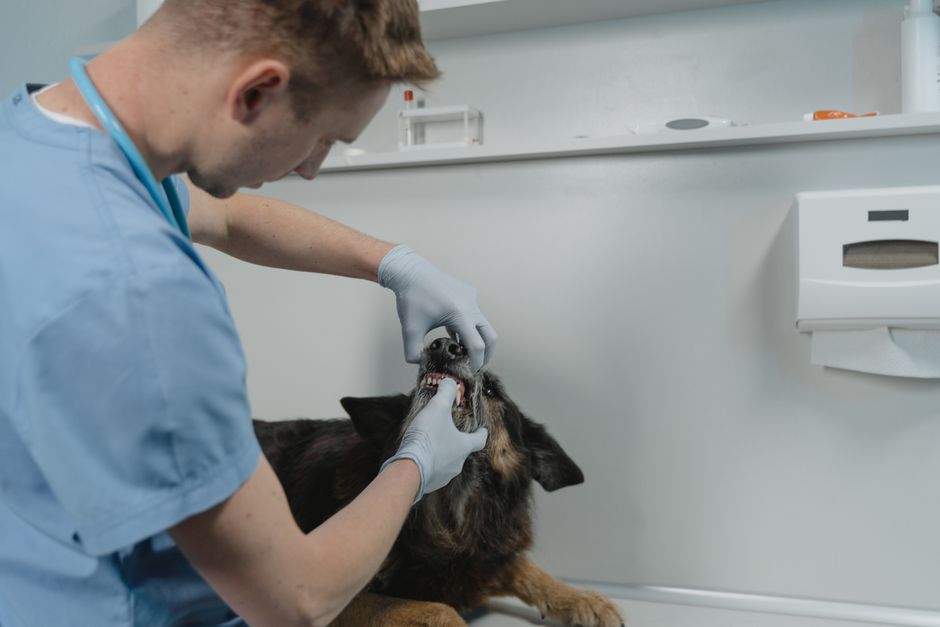
During a dental evaluation, our veterinarians will examine your pet’s mouth for signs of disease and may recommend dental radiographs to assess the health of the teeth below the gumline. Depending on the severity of the condition, treatment approaches involve professional teeth cleaning under anesthesia, removal of hardened tartar, and careful examination of each tooth. In cases where teeth are loose, fractured, or infected, pet tooth extractions may be necessary to relieve pain and prevent further health risks.
For advanced dental disease, our veterinary professionals are skilled in performing dental surgery for pets to address complex oral health problems. We use modern equipment and techniques to ensure your pet’s safety and comfort throughout the process. After treatment, our team will provide detailed instructions for home care and follow-up visits to monitor your pet’s recovery and long-term oral health.
Preventing Dental Disease: Home Care and Professional Support
The best way to protect your pet from dental disease is through a combination of consistent home care and regular veterinary check-ups. Steps you can take at home include brushing your pet’s teeth daily with pet-safe toothpaste, offering dental chews or toys designed to reduce plaque, and monitoring for any changes in eating habits or breath. While these measures are helpful, they are not a substitute for professional dental cleanings, which remove tartar and bacteria that can’t be addressed at home.
Scheduling routine dental exams and cleanings at FurWell Veterinary Hospital allows our veterinarians to detect early signs of dental disease and provide preventive care tailored to your pet’s needs. We also offer teeth cleaning and gingivitis prevention, which is a cornerstone of maintaining your pet’s oral health over time. By partnering with our veterinary team, you can create a dental care plan that supports your pet’s comfort, longevity, and quality of life.
When to Seek Veterinary Care for Your Pet’s Dental Health
While some mild symptoms like occasional bad breath can be managed with improved home care, it’s important to recognize when professional help is needed. You should schedule an appointment with our veterinary team right away if your pet shows signs such as persistent mouth odor, bleeding gums, excessive drooling, visible tartar, loose or missing teeth, swelling around the mouth, or changes in eating habits. These symptoms may indicate moderate to severe dental disease or underlying infections that require timely intervention.
Delaying treatment can allow dental problems to worsen, increasing your pet’s discomfort and risk of complications. If you are uncertain whether your pet’s symptoms are serious, our veterinary professionals are always available to answer your questions and provide expert guidance. Remember, early intervention is key to preventing pain and protecting your pet’s overall health.
Supporting Your Pet’s Smile for Life: Take Action Today
Dental disease can be a silent threat to your dog or cat’s health, but with attentive care and support from your veterinary team, it’s a challenge that can be managed and even prevented. By staying alert to the warning signs, practicing good home dental care, and scheduling regular check-ups at FurWell Veterinary Hospital, you can ensure your pet enjoys a healthy mouth and a vibrant life.
If you’re searching for a "vet near me" who truly understands the importance of dental health in pets, our team at FurWell Veterinary Hospital in Greer, SC is here to help. Whether your companion needs a routine dental cleaning, advanced treatment, or you simply have questions about their oral hygiene, we encourage you to reach out. Call us at (864) 292-6433 to schedule an appointment and take the first step toward a healthier, happier smile for your pet. Your pet’s dental health is our priority, and we look forward to supporting you every step of the way.
This blog post is intended for informational purposes only and should not be used as a substitute for professional veterinary advice. If you have concerns about your pet’s dental health, please contact a licensed veterinarian for an evaluation.